In today’s competitive job market, financial professionals, analysts, and managers can no longer rely on generic resumes to land interviews. A budget planning resume needs to do more than list responsibilities, it must demonstrate real business impact. Employers want to see how you’ve influenced bottom-line results, streamlined processes, and driven financial efficiency.
This guide will walk you through everything you need to know about creating a budget planning resume that not only passes Applicant Tracking Systems (ATS) but also impresses hiring managers. We’ll cover formatting, keyword optimization, quantifying your achievements, and aligning your experience with modern financial management frameworks, all while showcasing your ability to plan, allocate, and optimize budgets effectively.
Why a Budget Planning Resume Must Show Real Business Impact
In a world where businesses are constantly looking to maximize resources, budget planning is more than a back-office task, it’s a strategic driver of success. Hiring managers want candidates who can demonstrate:
- Financial efficiency: Reducing waste, optimizing spending, and maximizing ROI.
- Strategic alignment: Creating budgets that support business objectives and growth.
- Risk management: Identifying and mitigating financial risks proactively.
- Data-driven decision-making: Using metrics, KPIs, and forecasting models to inform actions.
A budget planning resume must therefore answer the key question: "How has your work directly impacted the organization’s success?"
Step 1: Optimize for Applicant Tracking Systems (ATS)
Most organizations use ATS software to filter resumes based on keywords and formatting. If your resume isn’t ATS-friendly, it might never reach a human recruiter.
Tips for ATS Optimization
- Use standard headings like Professional Summary, Skills, Experience, and Education.
- Incorporate relevant keywords from the job description (e.g., budget forecasting, financial modeling, cost optimization, variance analysis).
- Avoid using tables, graphics, or unusual fonts that ATS might misinterpret.
- Save your resume in .docx or PDF format unless otherwise stated.
Example Keywords for a Budget Planning Resume:
- Budget planning and forecasting
- Financial efficiency
- Cost reduction strategies
- Variance analysis
- Cash flow management
- Financial reporting
- Strategic planning
- Profitability analysis
- ROI optimization
- Budgetary control
Step 2: Craft a Powerful Professional Summary
The professional summary is your elevator pitch. In 3–5 sentences, it should highlight your budget planning expertise, your track record in financial efficiency, and your ability to deliver business impact.
Example:
"Results-driven financial planning professional with 7+ years of experience in corporate budgeting, forecasting, and financial strategy. Proven track record of optimizing operational costs by 20% while aligning budget allocations with long-term business objectives. Skilled in advanced financial modeling, variance analysis, and resource optimization to drive profitability and growth."
Step 3: Showcase Financial Efficiency in the Skills Section
Your skills section should not be a random list of buzzwords. Instead, organize it into categories that reflect the tools, techniques, and strategies you use in budget planning.
Example Skills Section:
Financial Planning Skills
- Budget forecasting & allocation
- Strategic financial planning
- Capital expenditure control
- Operating expense optimization
Analytical & Reporting Skills
- Variance analysis
- ROI measurement
- KPI tracking
- Risk analysis
Tools & Software
- Microsoft Excel (advanced)
- SAP, Oracle Financials
- QuickBooks
- Power BI, Tableau
Step 4: Use Quantifiable Achievements in Work Experience
Hiring managers want measurable proof of your contributions. Use metrics like percentage cost savings, revenue growth, and improved forecast accuracy.
Example Achievement Statements:
- Developed and implemented a budget forecasting model that improved prediction accuracy by 15%, enabling more precise allocation of resources.
- Reduced departmental operating expenses by $1.2M annually through strategic vendor negotiations and process streamlining.
- Managed a $50M corporate budget, ensuring alignment with quarterly financial objectives and achieving a 12% improvement in budget adherence.
- Led a cross-functional team to redesign capital expenditure procedures, resulting in a 20% reduction in approval cycle time.
Step 5: Align with Financial Planning Frameworks and Metrics
A standout budget planning resume reflects familiarity with industry frameworks and project metrics that employers value.
Frameworks to Mention:
- Zero-Based Budgeting (ZBB) – Justifying each expense from scratch.
- Rolling Forecasts – Regular updates for agility.
- OKRs (Objectives and Key Results) – Aligning financial goals with company objectives.
- KPIs (Key Performance Indicators) – Measuring efficiency and success.
Example Resume Integration:
"Implemented Zero-Based Budgeting (ZBB) framework across departments, eliminating $800K in redundant expenses while increasing operational efficiency by 18%."
Step 6: Include a Key Achievements Section
For professionals with substantial budget planning success stories, a dedicated Key Achievements section helps showcase high-value results upfront.
Example:
- Achieved 25% year-over-year expense reduction while maintaining service quality.
- Led strategic financial reallocation that boosted project ROI by 30%.
- Streamlined quarterly budget reporting process, reducing preparation time by 40 hours per month.
Step 7: Integrate Soft Skills with Hard Skills
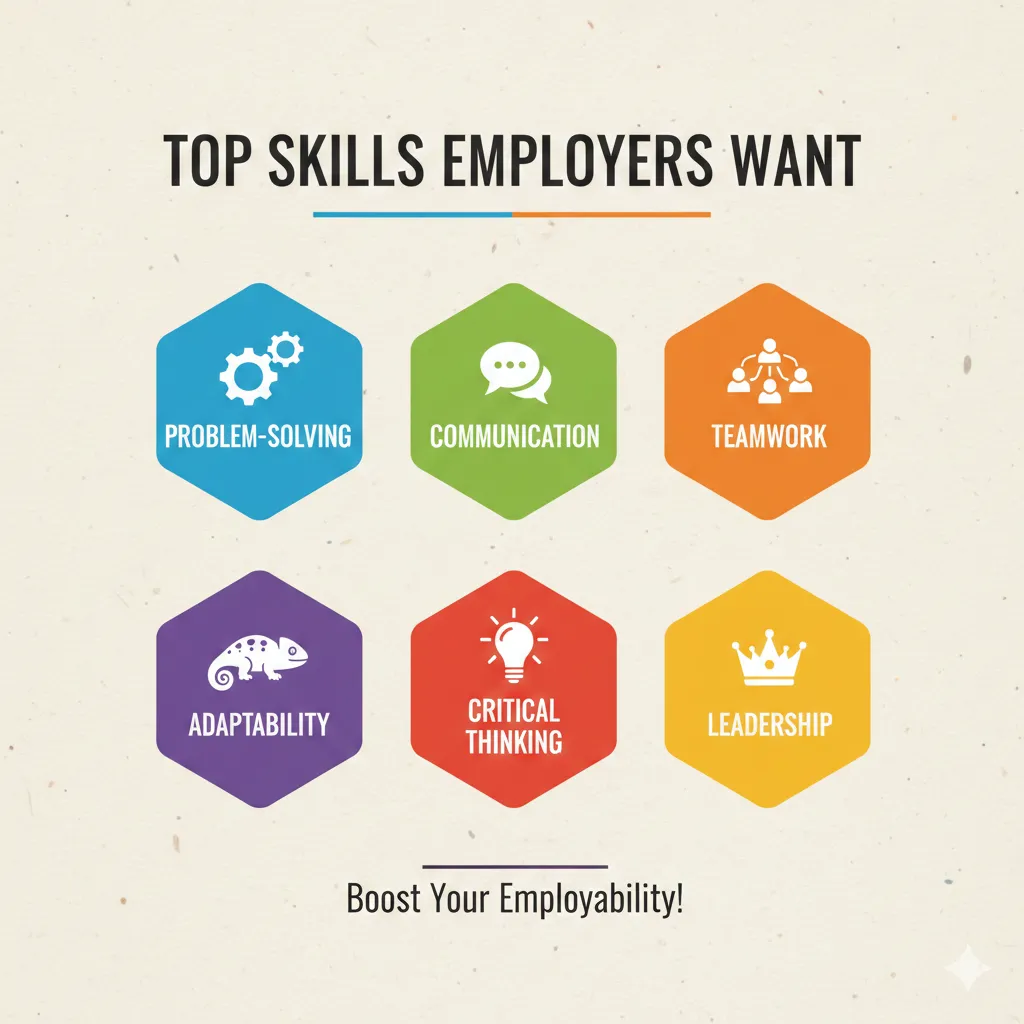
Budget planning isn’t only about numbers, it requires collaboration, leadership, and communication.
Soft Skills to Highlight:
- Strategic thinking
- Stakeholder management
- Negotiation skills
- Decision-making under pressure
- Cross-functional collaboration
Resume Example:
"Collaborated with department heads to align budget allocations with business priorities, improving cross-departmental cooperation and reducing budget conflicts by 35%."
Step 8: Showcase Education and Certifications
Relevant academic qualifications and certifications add credibility.
Examples:
- Bachelor’s in Finance, Accounting, or Economics
- MBA in Financial Management
- Certifications:
- Certified Management Accountant (CMA)
- Chartered Financial Analyst (CFA)
- Certified Financial Planner (CFP)
Step 9: Highlight Projects That Show Business Impact
Budget planning roles often involve high-visibility projects. Showcase these with details on outcomes.
Example:
"Led a $10M budget consolidation project that merged five departmental budgets into a unified corporate financial plan, reducing duplication and saving $1.5M annually."
Step 10: Tailor for Each Job Application
Every company has unique budget priorities. Tailor your resume for each application:
- Use keywords from the job posting.
- Highlight industry-specific experience.
- Emphasize metrics that matter most to that employer (e.g., cost savings, revenue growth, compliance).
Common Mistakes to Avoid in a Budget Planning Resume
- Listing responsibilities instead of achievements.
- Using generic terms like “handled budgets” without showing results.
- Overloading with irrelevant financial jargon.
- Neglecting soft skills and leadership capabilities.
- Using a one-size-fits-all resume for every application.
Final Tips for a High-Impact Budget Planning Resume
- Be concise but data-rich, every bullet point should add measurable value.
- Mix technical and strategic language to show both analytical and leadership skills.
- Keep your design clean, ATS-friendly, and professionally formatted.
- Update your resume regularly with new metrics and achievements.
Conclusion: Turning Budget Expertise into Career Growth
Creating a budget planning resume that shows real business impact is about more than listing tasks, it’s about proving that your work drives financial efficiency, supports strategic goals, and delivers measurable results.
By focusing on quantifiable achievements, aligning with financial frameworks, and tailoring your resume for each opportunity, you position yourself as the strategic partner companies need in today’s economy.
When done right, your budget planning expertise can open doors to leadership roles, higher compensation, and greater influence within an organization.
For more details go to HireTip for career tips.