Creating a compelling UX designer resume is no longer just about listing tools like Figma and Adobe XD or mentioning your years of experience in wireframing. Today, hiring managers and recruiters want to see how you think, how you solve problems, work with teams, and design user-centric solutions. One of the best ways to convey that is by effectively including UX case studies in your resume.
This comprehensive guide from HireTip breaks down exactly how to embed UX case studies in your resume for maximum impact, providing portfolio tips, storytelling techniques, and insights into project metrics and frameworks that make your application stand out.
Why UX Case Studies Matter on Your Resume
UX case studies serve as proof of your process, not just your final designs. They showcase your ability to:
- Understand user needs
- Collaborate with cross-functional teams
- Apply design thinking and usability principles
- Iterate based on feedback
- Deliver measurable business outcomes
Including them in your resume provides context and clarity to your role in previous projects, especially if you’re applying for product-focused or leadership UX roles.
Step 1: Tailor Your Resume to the Role
Before adding case studies, you must analyze the job description. Identify the UX skills and tools the employer is seeking. Whether it’s user research, interaction design, or usability testing, highlight those elements in your case studies.
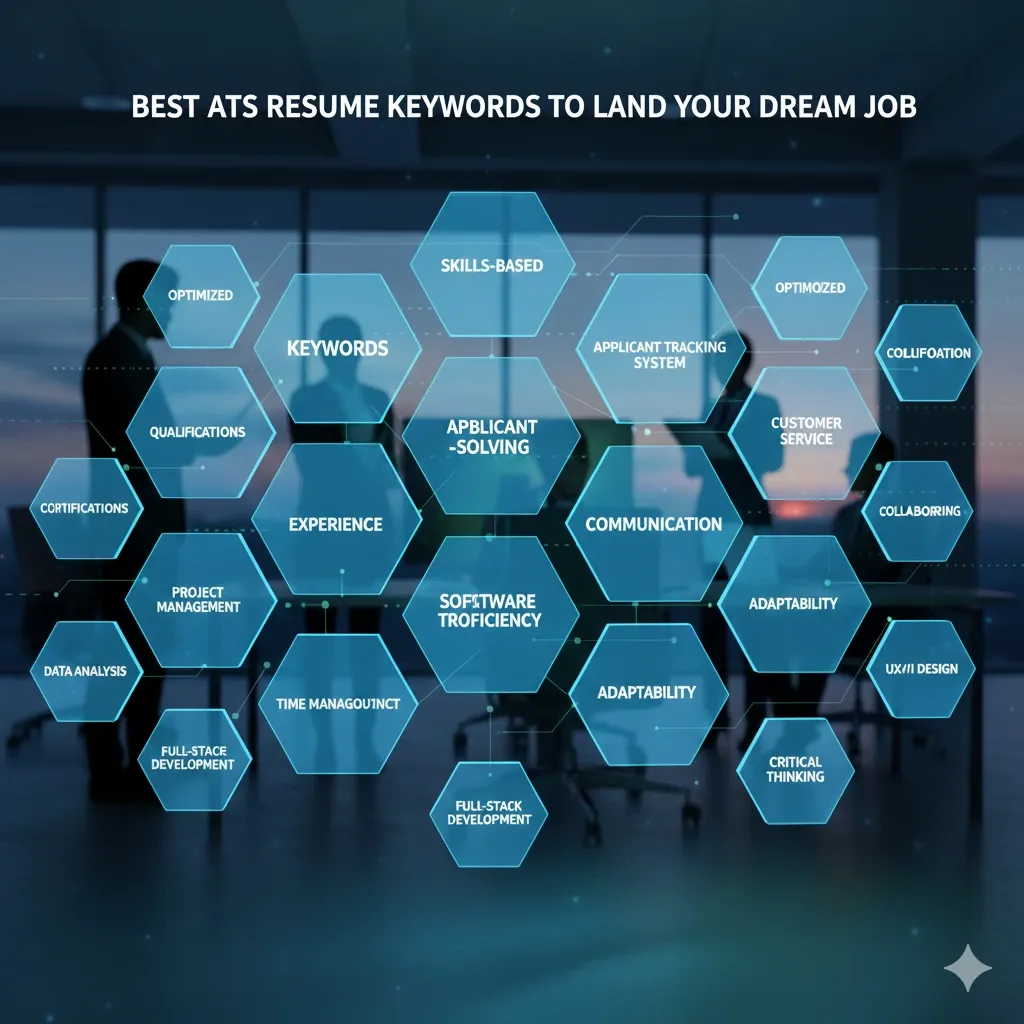
Keywords to include:
- UX research
- Design systems
- Agile UX
- Human-centered design
- Usability metrics
- UI wireframes
Example: “Led end-to-end UX for a fintech mobile app, focusing on usability testing, stakeholder alignment, and prototyping within Agile sprints.”
Step 2: Choose the Right Case Studies
You don’t need to list every project. Pick 2–3 key case studies that best represent your range and impact. Ideally, they should differ in scope, one mobile app, one responsive website, one enterprise platform.
Selection criteria:
- Projects with quantifiable outcomes
- Cross-functional collaboration (PMs, devs, marketing)
- Clear challenge-to-solution flow
- Your individual contributions
Step 3: Use a Storytelling Framework
Your UX case studies should follow a storytelling format. The most effective approach is STAR (Situation, Task, Action, Result) or Design Thinking (Empathize, Define, Ideate, Prototype, Test).
Example Format: Project Name: Redesigning E-commerce Checkout Flow
Challenge: Users were dropping off before payment page.
Role: UX Designer working in Agile pods.
Action:
- Conducted user journey mapping
- Built lo-fi to hi-fi prototypes in Figma
- Ran A/B tests on revised flows Result:
- 18% increase in checkout completion rate
- 30% reduction in cart abandonment
Step 4: Weave Case Studies into Resume Sections
You can integrate UX case studies in multiple parts of your resume:
1. Professional Summary
Include a one-liner summarizing your strongest case study.
Example: “UX Designer with 5+ years of experience. Led redesign of a SaaS dashboard that improved task efficiency by 40%.”
2. Experience Section
For each job, add a bullet point highlighting a case study.
Example:
- “Redesigned onboarding for health tech app using iterative testing and increased user retention by 25%.”
3. Projects or Portfolio Section
Link to your online UX portfolio or individual case studies.
Example:
- UX Case Study: www.behance.net/yourname/ecommerce-redesign
4. Skills & Tools
Highlight tools and frameworks you used in the case study.
Step 5: Emphasize Impact with Metrics
Quantify your UX work wherever possible. Hiring managers love numbers.
Useful project metrics:
- Conversion rates
- Error rates
- Task success rates
- Time on task
- Net Promoter Score (NPS)
- Retention or bounce rates
Example:
- “Reduced onboarding time by 40% using progressive disclosure UI techniques.”
Step 6: Link to a Portfolio with Extended Stories
Your resume gives a taste; your UX portfolio delivers the full story. Always link to your best case studies in your resume.
Portfolio Tips:
- Use visuals: user flows, personas, wireframes
- Highlight problem-solving, not just final UI
- Include post-launch impact
Platforms you can use:
- Behance
- Notion
- Adobe Portfolio
- Webflow
- Your personal website
Step 7: Avoid Common Mistakes
- Too much jargon: Don’t overuse buzzwords without context.
- Too long: Keep each case study to 3–5 bullet points.
- No metrics: Always include business outcomes.
- Unclear role: Be specific about your contributions.
- No portfolio link: This is crucial for UX roles.
Bonus: Align Case Studies with Agile & OKRs
Product teams today use Agile methodologies and measure impact through OKRs (Objectives & Key Results).
Frame your UX case studies around these themes:
Agile Keywords:
- Sprint planning
- Retrospectives
- Backlog grooming
- Rapid prototyping
OKR Examples:
- Objective: Improve user activation for new SaaS users
Key Result: Reduce drop-off in signup flow by 30% - Objective: Enhance content discoverability
Key Result: Increase average session time by 20%
This makes your UX work relevant to business goals and product strategy.
Final Sample Resume Snippet
UX Designer | HealthTech Co. | Jan 2021–Present
- Led UX research for telehealth app; conducted 10+ usability tests
- Redesigned dashboard using card sorting and improved usability score by 35%
- Partnered with PMs to align designs with quarterly OKRs
- Created interactive prototypes in Figma and handed off using Zeplin
Portfolio: www.youruxportfolio.com
Conclusion
UX case studies are the heartbeat of your resume as a designer. By telling clear, data-driven stories, aligned with frameworks like Agile and OKRs, you’ll not only showcase your craft, but also prove your impact.
Don’t let your resume be just a list of tools. Let it be a storytelling canvas.
👉 For more details, visit HireTip for career tips.