In today’s hyper-connected world, the way we work is evolving at lightning speed. Digital marketing, already at the forefront of online trends, has become one of the most remote-compatible professions in the global economy. However, this opportunity also means more competition, and recruiters now look for specific remote-ready qualities on your resume.
Whether you’re a seasoned marketer or transitioning to a digital marketing role, crafting a remote-friendly digital marketing resume can make or break your chance of landing a high-impact virtual job. This article is your comprehensive guide to building a resume that shines in the remote work world.
Why You Need a Remote-Friendly Resume in 2025
The global shift toward remote-first organizations means employers are no longer just interested in skills. They want proof that you can thrive independently, collaborate across time zones, and use remote communication tools effectively.
A traditional resume may list your experiences, but a remote-friendly resume does more:
- Demonstrates remote work experience
- Highlights self-management and digital collaboration
- Showcases results-based metrics and outcomes
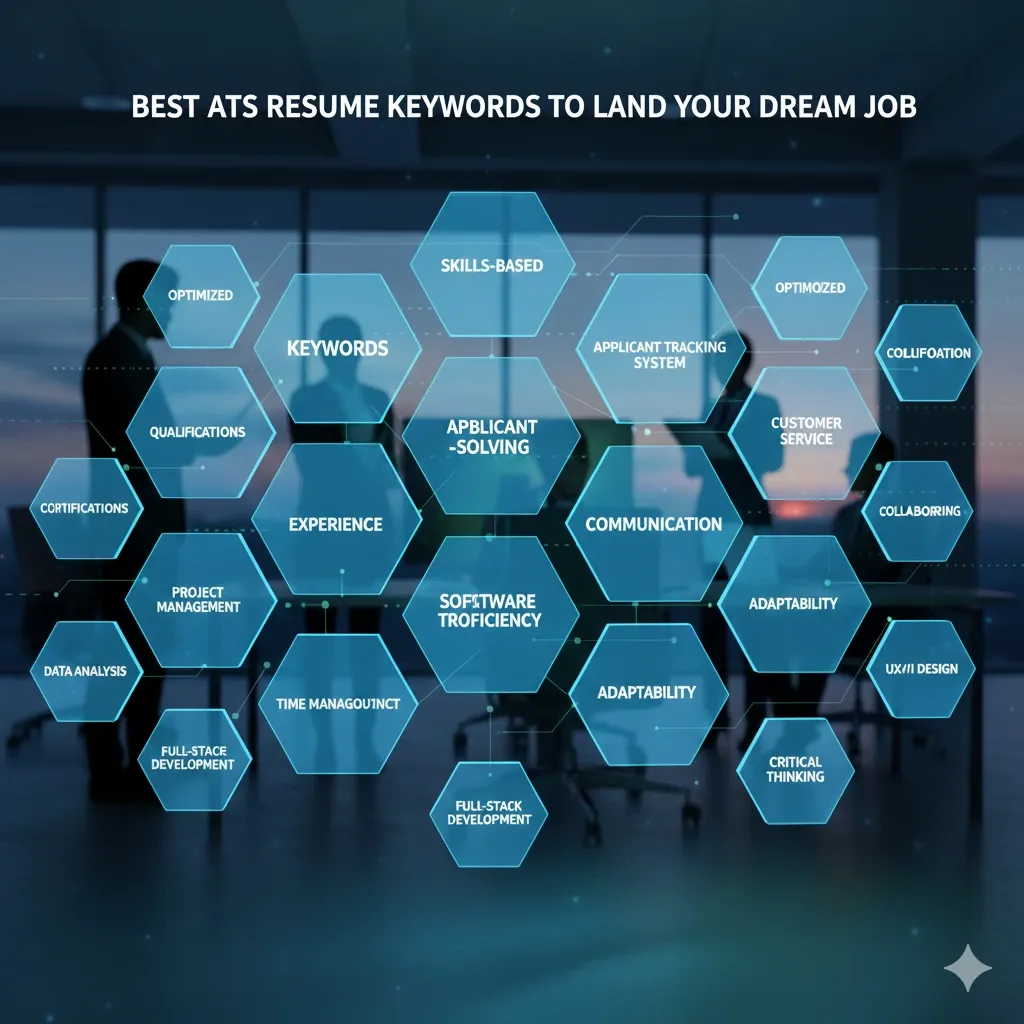
- Integrates remote-specific keywords that appeal to Applicant Tracking Systems (ATS)
Let’s break down the must-have elements and how to tailor your resume for success.
1. Start With a Remote-Focused Summary
Your resume summary is your hook. Use this section to showcase:
- Your years of remote experience
- Digital marketing areas of expertise (e.g., SEO, PPC, content, analytics)
- Remote-specific skills such as time management, asynchronous communication, or cross-cultural team collaboration
Example:
“Remote-savvy digital marketer with 5+ years of experience leading global PPC and content marketing campaigns. Proven ability to scale SEO strategies across diverse time zones using tools like SEMrush, Trello, and Slack. Passionate about data-driven growth in remote-first environments.”
Keywords to Use:
Remote-first, globally distributed team, async communication, cross-timezone collaboration, Slack, Trello, Notion, KPI-focused
2. Showcase Digital Marketing Expertise
Recruiters want to see that you not only know marketing but also have tangible results. Whether your specialty is inbound marketing, email automation, social media, or performance analytics, your resume should present it with measurable achievements.
Structure Work Experience with Remote Focus:
Each experience entry should include:
- Job Title (Include “Remote” if it was virtual)
- Company and Duration
- Tools Used (Zoom, Hootsuite, Asana, Google Analytics, HubSpot)
- Results: Use bullet points to quantify your success.
Example:
Digital Marketing Manager – Remote
XYZ Agency | Jan 2022 – Present
- Managed end-to-end digital campaigns across 5 time zones, increasing organic traffic by 85% in 9 months
- Led remote SEO team via Slack and Trello, delivering weekly content for 4 international clients
- Integrated Google Data Studio dashboards for real-time campaign insights
- Optimized Facebook ad funnels, reducing CPL by 30%
Remote Keywords to Include:
Distributed team, async updates, remote campaign coordination, digital nomad tools, timezone-independent, Zoom collaboration
3. Prioritize Metrics Over Tasks
Nothing speaks louder than results. Make sure every bullet point on your resume includes metrics:
- Traffic: “Grew blog traffic from 10K to 80K monthly sessions using a content cluster strategy.”
- Conversion: “Optimized landing pages, boosting conversion rate from 2.5% to 5.8%.”
- Email Performance: “Launched drip campaign that lifted open rates by 42% and CTR by 18%.”
- PPC Success: “Reduced CPA by 27% while increasing ROAS to 4.3x.”
Employers value marketers who know their numbers. Remote teams especially need outcome-oriented professionals since daily visibility is limited.
Keywords to Use:
Data-driven, metric-obsessed, KPI-focused, results-oriented, ROI-boosting
4. Highlight Tools That Make You Remote-Ready
Remote digital marketing jobs often rely on a suite of virtual collaboration tools. Create a dedicated section to list these technologies. Group them by type for better clarity.
Example Tools Section:
Remote Collaboration: Zoom, Slack, Notion, Trello, Microsoft Teams
Project Management: Asana, Jira, ClickUp, Monday.com
Marketing Tools: HubSpot, Mailchimp, SEMrush, Google Analytics, Ahrefs, Canva
Analytics & Automation: Google Data Studio, Zapier, Power BI, Meta Ads Manager
Show that you're fluent in the digital ecosystem of remote work.
Remote Keywords to Include:
SaaS tools, remote stack, virtual onboarding, remote CRM management, asynchronous workflow
5. Adapt Your Skills Section for Remote Readiness
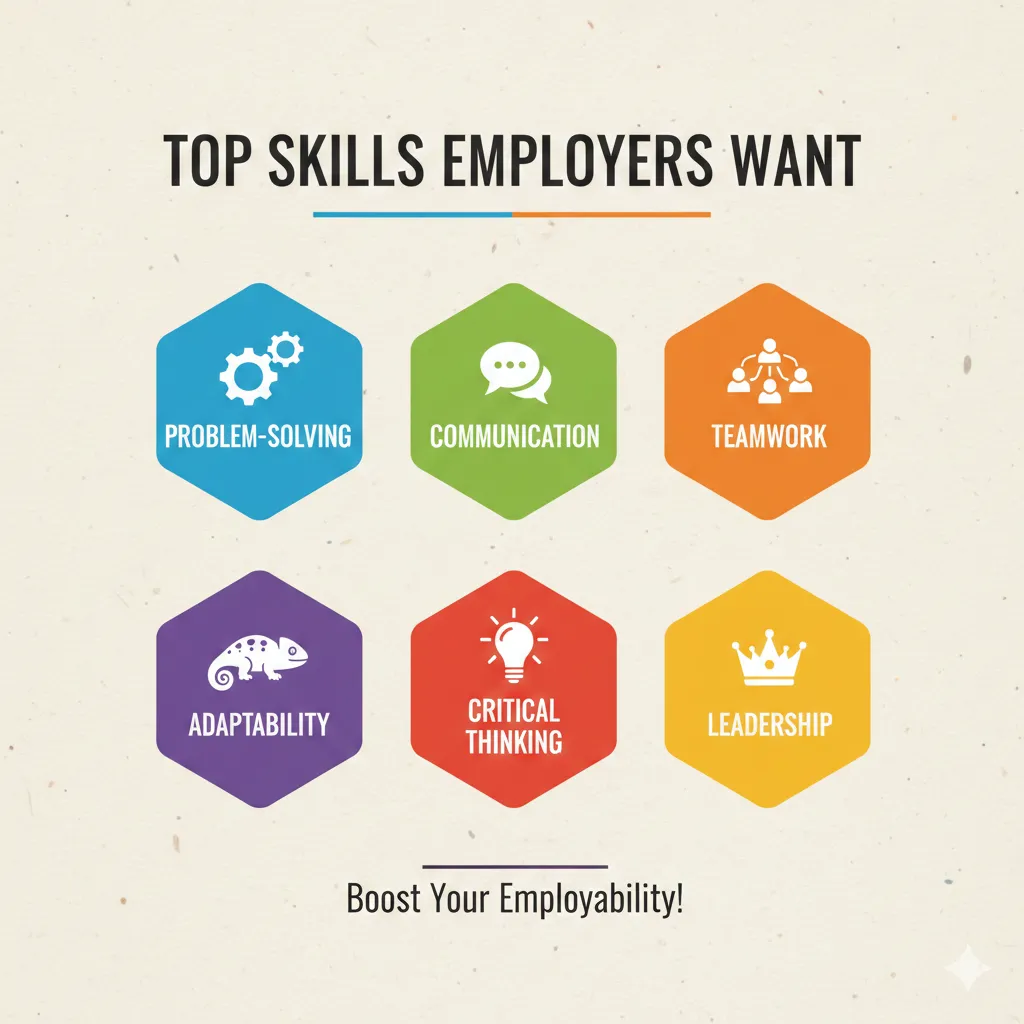
Don’t limit yourself to technical skills, highlight remote work soft skills too.
Key Remote-Work Soft Skills:
- Self-discipline & time management
- Virtual communication & written clarity
- Adaptability & digital agility
- Self-learning & autonomy
- Empathy in cross-cultural collaboration
Example Skills Section:
Technical Skills: SEO, PPC, Google Ads, Email Marketing, CRM Automation
Remote Work Skills: Asynchronous collaboration, remote onboarding, virtual presentations, timezone management
These keywords will pass through ATS filters while catching a recruiter’s eye.
6. Use the Right Resume Format for Remote Roles
Hiring managers typically scan resumes in under 10 seconds. Use a clean, modern format:
- Header: Name, location (city, "open to remote"), LinkedIn, portfolio link
- Summary: Focused on remote-readiness and marketing results
- Work Experience: Use action verbs, metrics, and tools
- Skills: Technical + soft skills
- Certifications: Especially remote-friendly ones
- Projects or Freelance Experience: Helpful if you’ve worked for global clients
- Education: Concise, with relevant coursework if early career
Stick to .docx or .pdf formats, avoid tables or excessive graphics, and ensure mobile readability.
7. Include Certifications that Build Remote Credibility
Online certifications reflect your ability to learn independently and your interest in continuous improvement, a key remote trait.
Recommended Certifications:
- Google Digital Marketing & E-commerce Certificate
- HubSpot Content Marketing Certification
- Meta Social Media Marketing Professional Certificate
- Remote Work Professional (Remote-How)
- Scrum Fundamentals Certified (for Agile environments)
Highlight them in a separate Certifications section or within your summary.
8. Add a Remote Projects Portfolio
If you’ve worked remotely on freelance or personal marketing projects, dedicate a section to highlight them.
Example Format:
Remote Freelance SEO Specialist
- Improved organic reach for a Canada-based SaaS firm by 120% over 6 months
- Used SEMrush and Ahrefs to fix 110+ critical SEO issues
- Coordinated content with US, UK, and Indian writers asynchronously
Add a link to your portfolio or case study site (hosted on Notion, Wix, Webflow, etc.)
9. Use Language That Reflects Remote Culture
Tailoring language in your resume matters. Use phrasing that speaks to remote-first values:
| Traditional Phrase | Remote-Optimized Version |
|---|---|
| “Led a team” | “Remotely led a cross-functional team across 3 time zones” |
| “Responsible for client communication” | “Managed asynchronous communication with international clients” |
| “Managed multiple projects” | “Managed remote campaigns across multiple platforms using Trello and Slack” |
These tweaks reinforce your adaptability and effectiveness as a remote contributor.
10. Personalize Your Resume for Each Role
Even in remote jobs, one-size-fits-all resumes fail. Customization shows commitment. Use the following steps:
- Mirror the job description’s keywords (e.g., "async workflow," "cross-functional teams")
- Emphasize the tools and outcomes they mention
- Show familiarity with remote culture and the company’s mission
- Use AI resume tools like Jobscan or Resumatch.io to improve alignment
Common Mistakes to Avoid
Here are frequent errors in remote resume writing:
- Listing only responsibilities, not results
- Ignoring collaboration tools or remote platforms
- Overloading with generic phrases like “hardworking”
- Using outdated skills or tech stacks
- Forgetting to mention if a job was remote
Remote-Specific Keywords to Sprinkle Throughout
Here are remote-focused keywords (use 20–30 throughout your resume):
- Remote-first
- Async communication
- Slack, Trello, Zoom
- KPI-driven
- Results-oriented
- Timezone management
- Global team coordination
- Self-starter
- Virtual collaboration
- Digital marketing automation
- CRM strategy
- Distributed marketing
- Remote campaign analytics
- Virtual presentations
- Home office setup
- Freelance marketer
- Portfolio link
- Remote deliverables
- Asynchronous updates
- Productivity tools
- Remote onboarding
- Virtual reporting dashboards
- Cross-cultural collaboration
Use them naturally and avoid keyword stuffing.
Final Touch: Pair Your Resume with a Tailored Cover Letter
Your cover letter is the place to expand on:
- Why you're passionate about remote marketing
- How you've thrived in a remote culture
- Your interest in the company’s mission
It reinforces the skills in your resume and demonstrates genuine enthusiasm.
Conclusion: Your Remote Career Starts With the Right Resume
In the age of distributed teams, building a remote-friendly digital marketing resume isn’t optional, it’s essential. The best remote resumes go beyond listing qualifications; they prove you can work autonomously, communicate virtually, and deliver real impact from anywhere in the world.
By showcasing remote achievements, collaboration tools, and self-driven outcomes, your resume becomes a powerful marketing tool for yourself.
🔗 For more career tips, visit HireTip and supercharge your remote job search today.