In 2026, data-driven decision-making is no longer a niche skill, it’s a necessity. As companies rely more heavily on business intelligence and analytics, tools like Tableau have become critical in almost every industry. From marketing and healthcare to logistics and finance, Tableau dashboards offer rich visual insights that can shape strategy, operations, and growth.
But here's the kicker: it’s not enough to just say “proficient in Tableau” on your resume anymore. Employers want to see how you've used Tableau, and one of the best ways to showcase this is through well-executed Tableau projects.
In this article, we explore Tableau projects that boost resume visibility in 2026, explain why they matter, and how you can build your own dashboards to get noticed by recruiters and hiring managers.
Why Tableau Projects Matter on Your Resume
Tableau projects do more than fill space on a resume, they prove your value. When you showcase real Tableau dashboards, you're demonstrating:
- Technical proficiency in Tableau Desktop, Tableau Public, and Tableau Prep
- Business acumen through actionable insights and KPIs
- Storytelling ability via dashboards that communicate clearly and persuasively
- Data handling skills using SQL, Excel, Google Sheets, and cloud data sources
A well-structured Tableau project shows that you can work with raw data, clean and model it, analyze trends, and visualize results in a way that influences decisions. It’s this mix of skills that boosts resume visibility and lands interviews.
Top Tableau Projects to Feature on Your Resume in 2026
The following are high-impact, recruiter-friendly Tableau projects that not only showcase your Tableau skills but also align with industry trends in 2026.
1. Sales Performance Dashboard (B2B & B2C)
Why It’s Effective:
Sales remains a key function across every industry. A Sales Performance Dashboard demonstrates your ability to track KPIs like revenue, targets, deal pipeline, and conversion rates.
Project Highlights:
- Interactive filters for regions, teams, and time periods
- Trend lines showing YoY growth or decline
- KPIs like Average Deal Size, Customer Lifetime Value (CLV), and Win Rate
- Use of color-coded indicators (RAG status)
Keywords:
Tableau dashboards, KPI tracking, B2B sales analytics, B2C conversion insights, interactive filters
2. HR Attrition and Retention Dashboard
Why It’s Effective:
In 2026, retaining top talent is critical. HR analytics projects help companies address workforce challenges.
Project Highlights:
- Monthly attrition trends with drill-downs by department
- Retention by gender, age, job role, and tenure
- Predictive insights using historical trends
- Integration with Excel and Google Sheets
Keywords:
Tableau HR dashboard, attrition analytics, workforce visualization, employee engagement, retention insights
3. Healthcare Resource Utilization Dashboard
Why It’s Effective:
Especially after global health challenges, healthcare dashboards are in high demand. Showcasing this project demonstrates public-sector or hospital data experience.
Project Highlights:
- ICU bed usage and occupancy rates
- Doctor-to-patient ratios across shifts
- Resource forecasting with filters for dates and departments
- Integration of real-time data sources
Keywords:
Healthcare Tableau project, ICU dashboard, resource forecasting, real-time analytics, Tableau for hospitals
4. Financial Forecasting Dashboard
Why It’s Effective:
Financial data is rich and complex, perfect for showcasing advanced Tableau features.
Project Highlights:
- Multi-year revenue and expense projections
- Actuals vs. Forecast visualizations
- Profit Margin, EBITDA, ROI dashboards
- Advanced use of calculated fields and parameters
Keywords:
Tableau financial dashboard, forecasting in Tableau, ROI visualization, expense tracking, EBITDA insights
5. Customer Segmentation and RFM Analysis
Why It’s Effective:
RFM (Recency, Frequency, Monetary) is widely used in marketing analytics. Tableau dashboards with RFM logic show deep analytical skills.
Project Highlights:
- Segmentation by RFM scoring
- Bubble charts for customer clusters
- Actionable filters to tailor marketing campaigns
- Use of calculated fields for scoring logic
Keywords:
Tableau RFM dashboard, customer segmentation, marketing analytics, retention insights, Tableau for campaigns
6. COVID-19 and Public Health Data Tracker
Why It’s Effective:
While the peak has passed, projects that show historical data tracking, public datasets, and policy implications still add value.
Project Highlights:
- State/country-level infection rate maps
- Vaccination trend analysis
- Overlay of restriction policies vs. health outcomes
- Use of open datasets (WHO, CDC, etc.)
Keywords:
COVID Tableau dashboard, public data visualization, Tableau map analytics, vaccination trends, global health metrics
7. Supply Chain and Inventory Dashboard
Why It’s Effective:
Logistics and operations roles are booming, and Tableau dashboards are crucial for real-time decision-making.
Project Highlights:
- Inventory turnover ratios and reorder points
- Supply chain bottlenecks and shipping delays
- Geo-mapping warehouse networks
- Integration with SAP/Oracle datasets
Keywords:
Tableau supply chain dashboard, logistics analytics, warehouse insights, inventory visualization, Tableau ERP integration
8. Social Media Analytics Dashboard
Why It’s Effective:
For marketing or communications roles, a dashboard that interprets data from LinkedIn, Instagram, or Twitter can catch recruiter attention.
Project Highlights:
- Engagement metrics (likes, shares, CTR)
- Time-of-day and day-of-week performance
- Influencer tracking and ROI per campaign
- API integration with social platforms
Keywords:
Tableau social media dashboard, digital marketing insights, campaign performance, influencer analytics, content ROI
9. Real Estate Market Trends Dashboard
Why It’s Effective:
Real estate professionals need localized and dynamic data visualizations. This project reflects market knowledge and geospatial skills.
Project Highlights:
- Price trends by ZIP code or neighborhood
- Heatmaps of inventory levels
- Loan-to-value (LTV) and interest rate overlays
- Integration with Zillow API or open housing datasets
Keywords:
Tableau real estate dashboard, property insights, market trends visualization, home value analysis, geospatial Tableau
10. E-Commerce Product Performance Dashboard
Why It’s Effective:
If you’re applying to retail, e-commerce, or consumer tech, this project shows your ability to drive online strategy through data.
Project Highlights:
- Best-selling products by category and region
- Return rate and refund insights
- Click-to-conversion analysis
- Integration with Google Analytics and Shopify APIs
Keywords:
Tableau e-commerce dashboard, product analytics, conversion rate, customer behavior, sales performance visualization
Where to Host and Showcase Your Tableau Projects
Having great Tableau dashboards is one thing, but showcasing them effectively is what grabs recruiters' attention.
1. Tableau Public Portfolio
Create a profile on Tableau Public and upload your dashboards. Include interactive filters and hover details to impress.
2. Personal Website or Portfolio
Build a simple site using WordPress, Webflow, or GitHub Pages. Link your Tableau dashboards, describe your insights, and explain the tech stack used.
3. LinkedIn Featured Section
Add your Tableau project links to your LinkedIn’s “Featured” section. Include a short post describing the problem, your solution, and business impact.
4. Resume with Hyperlinks
Embed hyperlinks to dashboards in your resume. Label them under a “Projects” section with bullet-point summaries and outcomes.
How to Write About Tableau Projects on Your Resume
Use This Formula:
“Built a [dashboard type] in Tableau using [data sources/techniques] to [achieve business outcome].”
Example 1:
“Developed a Sales Performance dashboard in Tableau using Salesforce and Excel data, improving sales forecasting accuracy by 30%.”
Example 2:
“Created a COVID-19 tracker in Tableau with WHO datasets and predictive models, helping public agencies monitor regional outbreaks.”
Technical Skills to Highlight Alongside Tableau Projects
Recruiters don’t just want to see Tableau, they want to see the whole data story. Mention these skills alongside your Tableau work:
- SQL (PostgreSQL, MySQL, Snowflake)
- Data cleaning (Tableau Prep, Excel Power Query)
- Data modeling (Joins, Blends, LOD expressions)
- Cloud tools (Google BigQuery, AWS S3)
- API integration (Google Analytics, REST APIs)
- Business knowledge (finance, marketing, HR, healthcare)
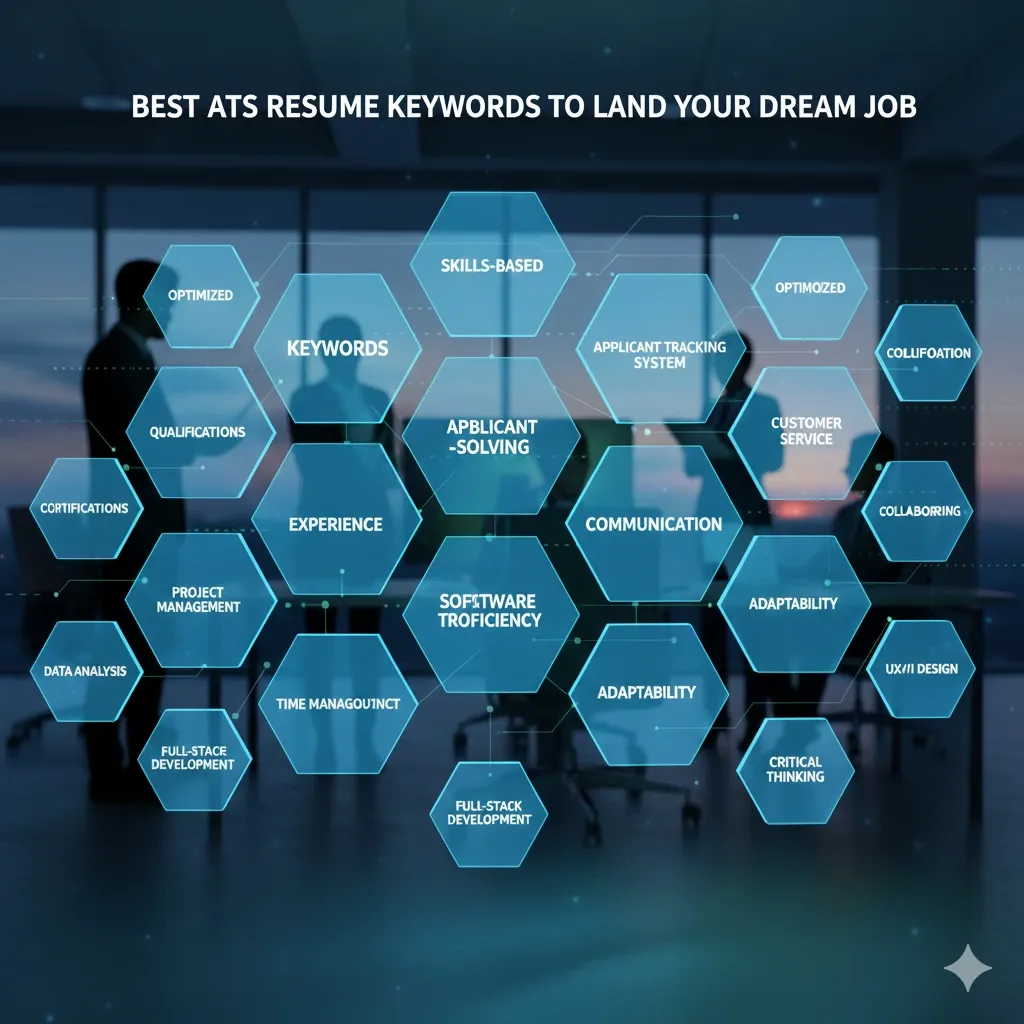
Pro Tip: List “Tableau Dashboards” as a core keyword in both your Skills section and within your project descriptions to maximize visibility in Applicant Tracking Systems (ATS).
What Recruiters Look for in Tableau Projects
In 2026, the demand for Tableau professionals is rising, but so are expectations. Recruiters are no longer impressed by just static visuals, they want to see:
- Business Impact: What question did your dashboard help answer?
- Interactivity: Filters, drilldowns, and dynamic visuals
- Storytelling: Can someone follow your narrative without explanation?
- Design: Is it clean, readable, and intuitive?
- Data Source Variety: Can you work with APIs, cloud, or large-scale data?
Common Mistakes to Avoid
Including dashboards without explanation
Always write 2–3 lines describing the objective, your approach, and the outcome.
Ignoring design principles
Use consistent fonts, clear labels, and a cohesive color palette.
Forgetting mobile optimization
Many recruiters will click your links on mobile, test your dashboards accordingly.
How to Keep Improving Your Tableau Portfolio
Even after creating 3–5 great projects, keep learning and refining.
- Take advanced courses on Coursera, Udemy, or edX
- Follow Tableau Zen Masters and Public Viz of the Day
- Participate in #MakeoverMonday or Tableau Iron Viz competitions
- Reverse-engineer public dashboards and try rebuilding them from scratch
Conclusion: Make Your Tableau Projects Work for You in 2026
The data field is booming, but standing out takes more than buzzwords. Well-structured, real-world Tableau projects are among the most powerful tools to enhance your resume visibility in 2026. They show that you can not only use data tools, but also drive decisions with them.
When recruiters or hiring managers review your resume, let your Tableau dashboards and insights tell a story. A story of initiative, skill, and problem-solving. And when they click the link to your public portfolio, let it reflect the kind of data professional you are, insightful, strategic, and ready for impact.
Start today by choosing a project that excites you, build a dashboard that speaks for itself, and elevate your career path with every visual insight you create.
✨ For more career tips, visit HireTip✨