Crafting a powerful resume is essential for any professional, but for Healthcare IT Specialists, it carries even greater importance. This unique field sits at the intersection of healthcare and technology, demanding proficiency in systems such as EHR (Electronic Health Records), EMR (Electronic Medical Records), compliance with HIPAA (Health Insurance Portability and Accountability Act) standards, and fluency in healthcare IT infrastructure. Employers expect candidates to present not only their technical expertise but also their ability to enhance patient outcomes, improve data security, and ensure seamless interoperability across healthcare systems.
This article will guide you through comprehensive resume tips for Healthcare IT Specialists, helping you showcase your skills, certifications, and achievements. By the end, you’ll be able to create a resume that positions you as a top candidate for roles in hospitals, clinics, health-tech startups, and enterprise-level IT solutions providers.
Why a Tailored Resume Matters in Healthcare IT
Unlike general IT roles, Healthcare IT Specialist positions demand domain-specific knowledge. Your resume must illustrate technical expertise in areas like:
- EHR and EMR Systems (Epic, Cerner, Allscripts, MEDITECH, Athenahealth).
- HIPAA Compliance and other privacy/security regulations.
- Data integration and interoperability using HL7, FHIR, and related standards.
- Clinical workflow optimization and support for providers.
- Cybersecurity practices within healthcare infrastructure.
Employers seek professionals who can bridge the gap between clinicians and IT teams. Highlighting project metrics, frameworks, and outcomes helps show you can deliver measurable improvements in patient data management and operational efficiency.
Structuring Your Resume for Healthcare IT
1. Professional Summary
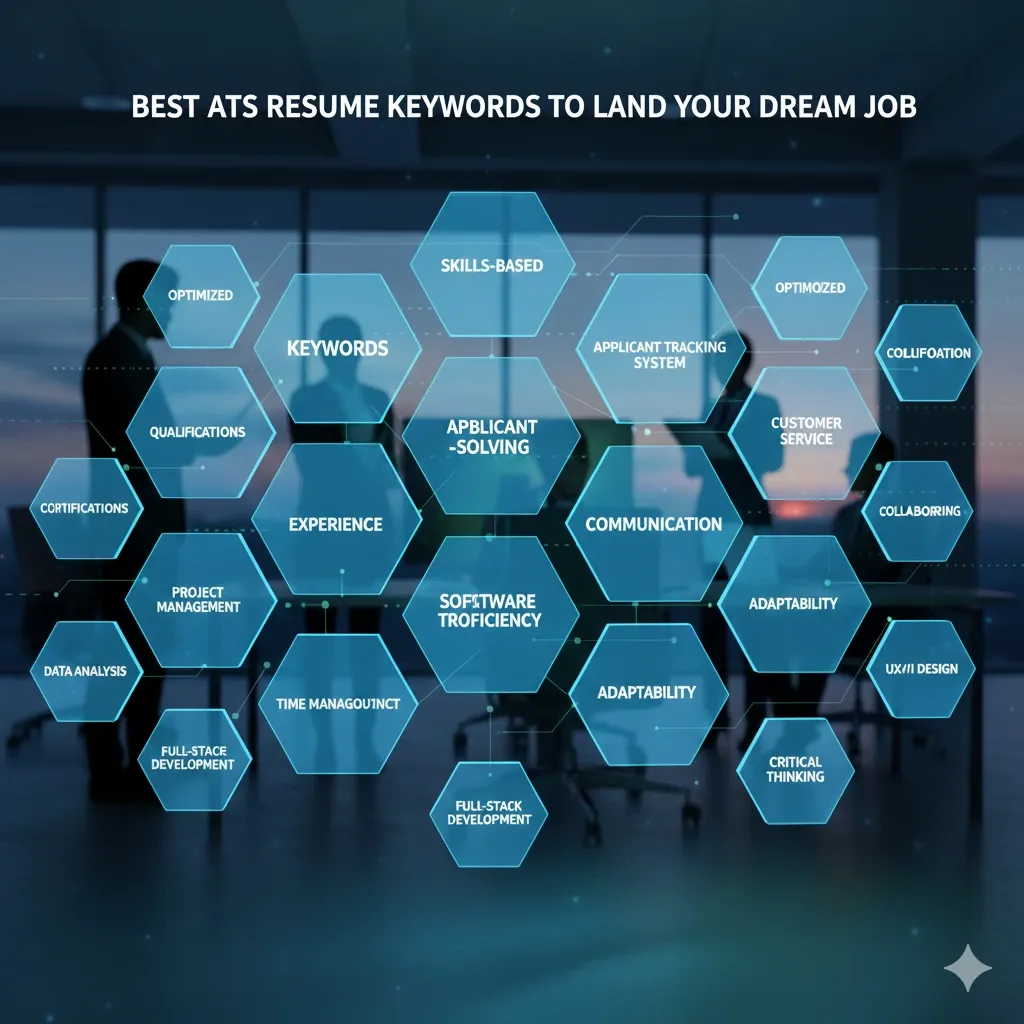
Start with a concise, keyword-rich summary. Use terms such as EHR, EMR systems, HIPAA compliance, and healthcare IT infrastructure to ensure visibility in Applicant Tracking Systems (ATS).
Example:
“Healthcare IT Specialist with 7+ years of experience in EHR and EMR implementation, HIPAA-compliant system integration, and clinical workflow optimization. Skilled in supporting providers with secure, scalable IT solutions to improve patient outcomes and data accuracy.”
2. Key Skills Section
Group your skills into categories for clarity:
- Healthcare Systems: Epic, Cerner, MEDITECH, Allscripts.
- Compliance: HIPAA, HITECH, GDPR (healthcare context).
- Technical: SQL, HL7, FHIR, network security, data analytics.
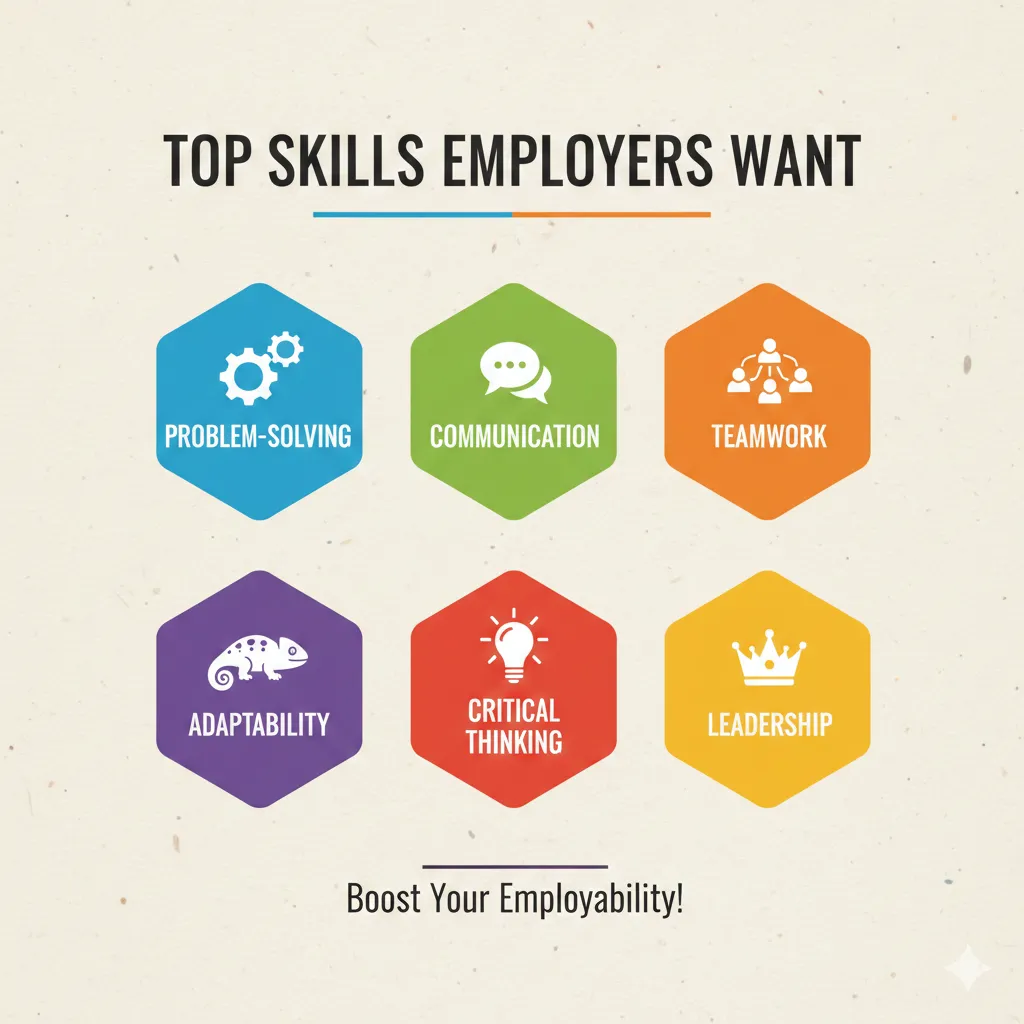
- Soft Skills: Communication with clinicians, training staff, problem-solving.
This section ensures recruiters can immediately see your proficiency in EHR and EMR systems alongside technical expertise.
3. Professional Experience
Highlight achievements with quantifiable project metrics. Employers value outcomes over tasks.
Bad example:
“Responsible for EHR implementation.”
Strong example:
“Led Epic EHR implementation across a 500-bed hospital, training 300+ staff members and reducing patient documentation errors by 25%.”
Use action verbs like implemented, optimized, secured, integrated, and streamlined to make your contributions impactful.
4. Certifications and Training
Healthcare IT is certification-driven. Include:
- Certified Professional in Healthcare Information and Management Systems (CPHIMS).
- Epic or Cerner certifications.
- CompTIA Security+ (relevant for HIPAA security).
- Certified Information Systems Security Professional (CISSP) (healthcare IT context).
These not only validate your expertise but also boost ATS rankings.
5. Education
List your degree(s) and any healthcare-focused IT coursework. Example: “B.S. in Information Technology with specialization in Healthcare Informatics.”
Key Resume Tips for Healthcare IT Specialists
Emphasize EHR and EMR Systems Experience
Employers prioritize candidates who can implement, maintain, and optimize EHR and EMR systems. Demonstrate experience with:
- System upgrades and migration projects.
- Staff training and provider support.
- Customization to meet clinical workflow needs.
- Data migration and integration between EMR platforms.
Include metrics like reduced downtime, improved patient record accuracy, or increased adoption rates.
Highlight HIPAA Compliance Expertise
HIPAA compliance is non-negotiable. Use your resume to show how you’ve:
- Developed or enforced HIPAA-compliant policies.
- Reduced audit risks through enhanced security protocols.
- Managed patient data securely during system transitions.
- Collaborated with compliance officers to ensure ongoing adherence.
Demonstrate Technical and Clinical Bridge Skills
Healthcare IT Specialists often act as a bridge between providers and IT staff. Highlight:
- Training clinicians on EMR systems.
- Supporting helpdesk and troubleshooting operations.
- Conducting needs assessments for technology solutions.
These demonstrate communication skills and adaptability, qualities that recruiters highly value.
Showcase Project Metrics and Frameworks
Quantifiable results are essential. Examples:
- “Reduced EHR downtime by 40% using agile project management frameworks.”
- “Improved interoperability between EMR systems, increasing provider efficiency by 20%.”
- “Deployed HIPAA-compliant cloud solutions, cutting operational costs by 15%.”
These metrics make your achievements credible and memorable.
Advanced Resume Strategies for Healthcare IT Specialists
Tailor for Each Job Description
Every healthcare IT position has unique requirements. Mirror the language of job postings by emphasizing:
- Specific EHR/EMR platforms.
- Compliance requirements (HIPAA, HITECH).
- Technical standards (HL7, FHIR).
This improves both ATS scoring and recruiter engagement.
Incorporate Keywords Naturally
Strategically use keywords like EHR, EMR systems, HIPAA compliance, healthcare IT infrastructure, and interoperability throughout your resume. Maintain readability while ensuring ATS optimization.
Showcase Continuous Learning
Healthcare IT evolves rapidly. Include courses and certifications to prove you stay current:
- Cybersecurity in Healthcare.
- Data Analytics for Healthcare IT.
- Interoperability and Standards (HL7, FHIR).
Add a Projects Section
If you’ve worked on high-impact projects, dedicate a section to them.
Example:
“EHR Optimization Project, Collaborated with clinicians to streamline documentation workflows, reducing patient record completion time by 15 minutes per visit.”
Optimize for Digital and Mobile Viewing
Recruiters increasingly review resumes on mobile devices. Use clean formatting, bullet points, and concise sections. Save as PDF for consistent readability.
Common Mistakes to Avoid
- Generic Descriptions – Avoid “Managed EHR system” without specifics. Add metrics.
- Ignoring Compliance – Not mentioning HIPAA or privacy standards can cost you the role.
- Overloading with Technical Jargon – Balance technical details with plain language to show your clinical communication skills.
- Leaving Out Soft Skills – Don’t forget to show teamwork, problem-solving, and staff training experience.
- Unstructured Format – Use headings, sections, and consistent fonts for readability.
Sample Resume Bullet Points for Healthcare IT Specialists
- Implemented Epic EHR across three outpatient clinics, reducing record duplication by 30%.
- Ensured HIPAA compliance by developing staff training modules, lowering audit risks by 20%.
- Integrated EMR with billing systems, accelerating claims processing by 25%.
- Led cybersecurity initiative for EMR platforms, preventing potential breaches affecting 50,000 patient records.
- Designed interoperability framework using HL7 standards, improving cross-departmental data exchange.
Future of Healthcare IT Resumes
The future of healthcare IT is driven by AI, cloud-based platforms, and predictive analytics. To remain competitive, resumes should reflect:
- Experience with AI-driven EHR/EMR enhancements.
- Cloud migration projects (Azure, AWS healthcare solutions).
- Integration of telemedicine technologies with secure platforms.
- Ongoing compliance with evolving data security regulations.
Final Takeaway
Crafting a strong Healthcare IT Specialist resume requires highlighting both technical expertise and healthcare-specific skills. Focus on EHR and EMR systems, demonstrate HIPAA compliance knowledge, and use project metrics to prove your impact. Tailor your resume for each role, incorporate keywords for ATS optimization, and keep your content results-oriented.
Your resume should position you as the professional who not only understands technology but also ensures it enhances patient care, data security, and operational efficiency.
For more details, go to HireTip, for career tips and resume strategies designed to help you succeed.