Breaking into the dynamic world of fintech as a financial analyst requires more than a degree in finance and a knack for numbers. Startups in the fintech industry are fast-paced, innovation-driven, and data-centric, making it critical to showcase your ability to handle financial modeling, deliver accurate projections, and work within a tech-forward business environment.
Your resume is often your first impression, so it needs to reflect not only your technical expertise but also your adaptability, agility, and capacity to grow with a high-growth startup. This comprehensive guide will walk you through everything you need to know about crafting the perfect financial analyst resume tailored specifically for fintech startups, from essential sections to incorporating project metrics and industry-specific frameworks.
1. Understanding the Role of a Financial Analyst in a Fintech Startup
Before we dive into resume writing, it’s essential to understand what fintech employers are looking for in financial analysts. Unlike traditional finance roles, fintech analysts often wear multiple hats:
- Financial Modeling & Forecasting: Creating detailed financial models to predict future performance, revenue streams, and investment outcomes.
- Projections and Scenario Planning: Running simulations to understand best and worst-case outcomes for business strategies.
- Data Analytics & Metrics: Using KPIs and project metrics to measure performance against strategic goals.
- Market Analysis: Tracking industry trends, competitor analysis, and regulatory changes.
- Strategic Planning Support: Helping leadership align company OKRs (Objectives and Key Results) with financial realities.
Startups value agility, problem-solving, and the ability to work with incomplete data while still delivering actionable insights.
2. Resume Structure for Fintech Financial Analysts
Your resume should have a clean, ATS-friendly structure while clearly demonstrating your financial modeling and projections expertise. Here’s a proven format:
2.1 Contact Information
Keep it professional:
pgsqlCopy codeFull Name
Phone Number
Professional EmailLinkedIn Profile | Portfolio | GitHub (if relevant for data work)
City, State
2.2 Professional Summary
A concise 3–4 sentence introduction that highlights your key skills, fintech familiarity, and measurable achievements.
Example:
"Analytical and detail-oriented Financial Analyst with 4+ years of experience in financial modeling, projections, and strategic planning in high-growth fintech environments. Skilled at leveraging advanced Excel, SQL, and BI tools to deliver accurate project metrics that drive investor confidence and operational efficiency. Proven ability to partner with cross-functional teams to align financial goals with agile product development cycles."
2.3 Core Competencies
List skills in bullet form, categorized for clarity:
- Financial Skills: Financial modeling, projections, scenario analysis, forecasting, variance analysis.
- Technical Tools: Excel (advanced), SQL, Python, Tableau, Power BI, ERP systems.
- Business Knowledge: Fintech compliance, regulatory frameworks, startup fundraising, blockchain basics.
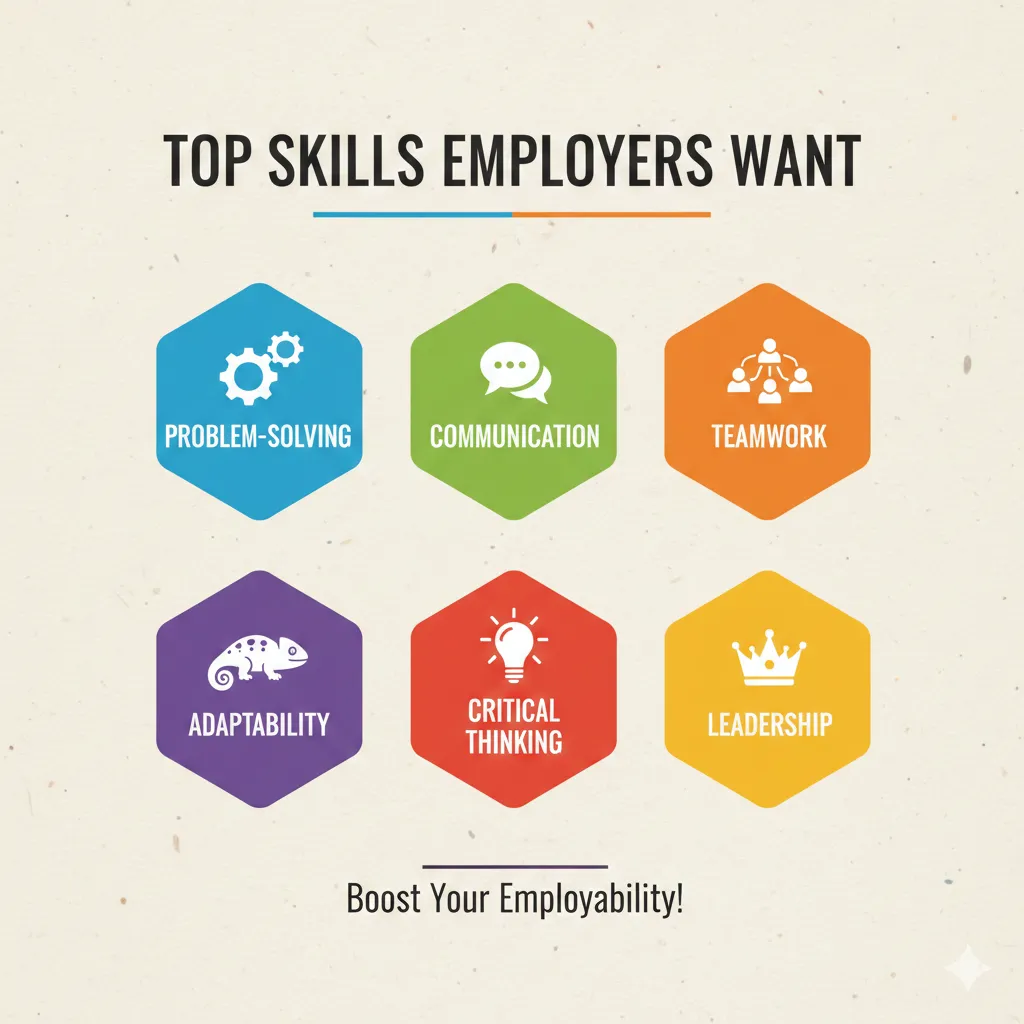
- Soft Skills: Strategic communication, cross-functional collaboration, adaptability, problem-solving.
3. Crafting an Impactful Experience Section
Your work experience should focus on results-driven metrics, not just job responsibilities. Every bullet should include action verbs, measurable results, and relevant frameworks.
Example:
Financial Analyst | XYZ Fintech Startup | Jan 2021 – Present
- Built and maintained dynamic financial models to forecast monthly recurring revenue (MRR) growth, reducing forecasting errors by 15%.
- Delivered quarterly projections using scenario analysis, enabling leadership to make faster go-to-market decisions.
- Partnered with product and engineering teams to align budget allocations with agile sprint cycles, improving feature delivery timelines by 10%.
- Developed automated dashboards tracking over 25 project metrics, including customer acquisition cost (CAC), lifetime value (LTV), and churn rate.
- Supported Series B fundraising by preparing investor-ready financial modeling reports and business projections that secured $15M in capital.
4. Highlighting Financial Modeling and Projections Skills
Since financial modeling and projections are your bread and butter in fintech, showcase them in multiple ways:
- In your professional summary (demonstrates upfront expertise).
- Under key skills (shows keyword relevance for ATS).
- Within experience bullets (provides proof of application).
- In a projects or achievements section (adds depth).
Example Project:
"Created a multi-variable SaaS revenue projection model incorporating churn rates, upsell opportunities, and seasonality, resulting in a 20% increase in forecast accuracy compared to previous models."
5. Including Relevant Project Metrics and Frameworks
Fintech startups thrive on data-driven decision-making. Include the project metrics and frameworks you’ve worked with:
- Metrics: CAC, LTV, ARPU (Average Revenue Per User), churn rate, MRR/ARR, burn rate, ROI, contribution margin.
- Frameworks: Agile financial planning, rolling forecasts, zero-based budgeting, OKRs linked to financial outcomes.
This shows recruiters that you not only crunch numbers but also tie them directly to the company’s strategic goals.
6. Showcasing Technical Skills in the Fintech Context
While Excel mastery is non-negotiable, fintech analysts often work with:
- Programming & Python (Pandas, NumPy), SQL, R for statistical analysis.
- Business Intelligence Tools: Tableau, Power BI, Looker.
- Automation Tools: Alteryx, Google Data Studio, Zapier (for integrating finance systems).
- Fintech APIs & Platforms: Stripe, Plaid, QuickBooks API.
Include certifications like CFA, FMVA, or courses in financial modeling and fintech analytics.
7. Education & Certifications
Example:
B.S. in Finance – University of XYZ
Certifications:
- Chartered Financial Analyst (CFA) Level 1 Candidate
- Financial Modeling & Valuation Analyst (FMVA) – CFI
- Certificate in Fintech Innovation – Wharton Online
8. Tailoring for Startups vs. Corporates
Unlike corporate finance roles, fintech startups expect:
- Speed & Adaptability: Highlight fast turnaround on projections or models under tight deadlines.
- Multi-Role Capacity: Show you can handle investor reports, market analysis, and operational metrics.
- Tech-First Mindset: Include any exposure to coding, automation, or integration tools.
9. Common Mistakes to Avoid
- Using vague terms like “responsible for” instead of action-oriented achievements.
- Omitting project metrics that prove your impact.
- Listing outdated skills (e.g., “basic MS Word”).
- Ignoring ATS keyword optimization (especially for financial modeling and projections).
10. Example Resume Summary for a Fintech Financial Analyst
"Results-driven financial analyst specializing in fintech startups, with expertise in financial modeling, business projections, and data-driven decision-making. Adept at leveraging advanced analytics to produce actionable project metrics that support rapid scaling, investor relations, and agile planning frameworks."
11. Adding a Projects Section
If you’ve worked on notable projects, especially in fintech or startups, list them separately:
Example:
Project: Series C Fundraising Forecast Model
- Built investor-ready financial models incorporating revenue growth scenarios, customer retention rates, and expense projections.
- Delivered presentation to board and investors, securing $25M in funding.
12. Final Touches Before Submitting
- Keep it to one page (two at most if you have 10+ years of experience).
- Save as a PDF for formatting consistency.
- Proofread carefully, errors can undermine credibility in a finance role.
Conclusion: Positioning Yourself for Success in Fintech
Your resume as a fintech financial analyst should demonstrate more than just your ability to create financial models, it must convey that you understand the startup landscape, can deliver accurate projections under uncertainty, and can link every number to meaningful project metrics.
By combining technical expertise, strategic thinking, and fintech-savvy adaptability, you’ll position yourself as a valuable asset to any startup looking to grow, secure funding, and outperform competitors.
For more details, go to HireTip for career tips that can take your job applications to the next level.