In the rapidly evolving landscape of software development and IT operations, DevOps professionals play a pivotal role in bridging the gap between development and deployment. As companies strive to streamline software delivery, automate infrastructure, and implement Continuous Integration/Continuous Deployment (CI/CD) practices, the demand for skilled DevOps engineers continues to surge. But with the growing competition, simply listing your responsibilities won’t suffice. Your DevOps resume must reflect real-world impact, highlight CI/CD expertise, and showcase infrastructure management proficiency to truly stand out.
In this comprehensive guide by HireTip, we’ll break down how to craft a DevOps resume that not only passes through Applicant Tracking Systems (ATS) but also captures the attention of hiring managers.
Why a DevOps Resume Requires a Strategic Approach
A DevOps resume isn’t just another IT resume. It must clearly articulate your ability to deliver business value through automation, collaboration, infrastructure as code (IaC), and continuous delivery pipelines. The resume should serve as a blueprint of your problem-solving capabilities, technical proficiencies, and real-world achievements in CI/CD and cloud infrastructure.
Recruiters and hiring managers are looking for tangible results. Did you reduce deployment times? Automate repetitive tasks? Optimize cloud costs? These are the types of results that make a DevOps resume impactful.
1. Start with a Powerful Summary
Your resume summary sets the tone. It's your elevator pitch in 3-4 lines.
Example: "Certified DevOps Engineer with 5+ years of experience designing CI/CD pipelines, automating infrastructure with Terraform and Ansible, and deploying scalable solutions on AWS. Proven track record of reducing deployment time by 60% and improving operational efficiency."
Keywords to Include: DevOps Engineer, CI/CD pipelines, infrastructure automation, cloud deployment, operational efficiency.
2. Highlight Key Skills That Match the Job Description
Core DevOps Skills to Showcase:
- CI/CD tools: Jenkins, GitLab CI, CircleCI
- Configuration Management: Ansible, Chef, Puppet
- Infrastructure as Code (IaC): Terraform, CloudFormation
- Cloud Platforms: AWS, Azure, GCP
- Containers: Docker, Kubernetes
- Monitoring: Prometheus, Grafana, ELK Stack
- Scripting: Python, Bash, Groovy
- Version Control: Git
- Agile & Scrum methodology
Be strategic: mirror the language from the job description and naturally integrate the right DevOps keywords.
3. Detail Real-World Experience in Reverse Chronological Order
Hiring managers want evidence of how you applied your skills. Use bullet points that highlight achievements, not tasks.
Example Format:
DevOps Engineer | XYZ Tech, San Francisco, CA | Jan 2021 – Present
- Designed and implemented a scalable CI/CD pipeline using Jenkins and GitLab CI, reducing software delivery time by 50%.
- Automated infrastructure provisioning using Terraform and Ansible across AWS environments.
- Migrated legacy monolithic applications to Docker containers and orchestrated deployments using Kubernetes.
- Implemented centralized logging and monitoring using ELK Stack and Prometheus.
- Collaborated with developers and QA teams to integrate automated testing in the CI pipeline.
Impact-Oriented Keywords: Continuous Integration, Continuous Deployment, Kubernetes orchestration, Infrastructure Automation, Monitoring and Logging.
4. Include Quantifiable Metrics Wherever Possible
Hiring managers love numbers. Quantify your accomplishments to show your DevOps resume has real-world impact.
Examples:
- Reduced deployment failures by 70% through implementation of automated rollback mechanisms.
- Cut cloud infrastructure costs by 30% by optimizing AWS EC2 and RDS usage.
- Achieved 99.99% uptime by configuring high-availability clusters.
5. Tailor Your Resume for CI/CD and Infrastructure Roles
While DevOps covers a broad range of skills, make sure your resume reflects deep knowledge of CI/CD workflows and infrastructure provisioning.
For CI/CD-Focused Roles:
- Emphasize tools like Jenkins, CircleCI, GitLab CI
- Detail experience with pipeline scripting and automation
- Mention deployment strategies: blue-green, rolling, canary deployments
For Infrastructure-Focused Roles:
- Highlight use of Terraform, Ansible, and CloudFormation
- Mention cloud architecture and cost-optimization
- Include experience in provisioning and managing VPCs, subnets, EC2, IAM, etc.
6. Showcase Certifications and Training
DevOps certifications validate your expertise.
Top DevOps Certifications to Include:
- AWS Certified DevOps Engineer
- Certified Kubernetes Administrator (CKA)
- Microsoft Azure DevOps Solutions
- Docker Certified Associate
- HashiCorp Certified Terraform Associate
Also, mention any relevant online courses (Coursera, Udemy, edX) especially in CI/CD and infrastructure automation.
7. Projects and Open-Source Contributions
Add a section to highlight DevOps projects you’ve led or contributed to, especially those available on GitHub.
Example: Open Source Contributor | DevOps Toolkit
- Contributed to the Jenkins shared libraries module to standardize CI/CD pipeline scripts.
If you’ve built something meaningful (like your own monitoring dashboard or auto-scaling infrastructure), this is where you should show it off.
8. Make Your Resume ATS-Friendly
Tips:
- Use standard headings: Summary, Skills, Experience, Education
- Avoid graphics, images, or multi-column layouts
- Save as a .docx or .pdf file
Use keywords like: infrastructure automation, CI/CD, configuration management, cloud deployment, container orchestration, etc., multiple times but naturally within your resume.
9. Education Section (Keep it Relevant)
List your degrees and relevant coursework. For DevOps roles, Computer Science or Engineering degrees are common, but what matters more is your applied knowledge.
Example: Bachelor of Technology in Computer Science, University of XYZ, 2015 - 2019 Relevant Coursework: Operating Systems, Computer Networks, Cloud Computing
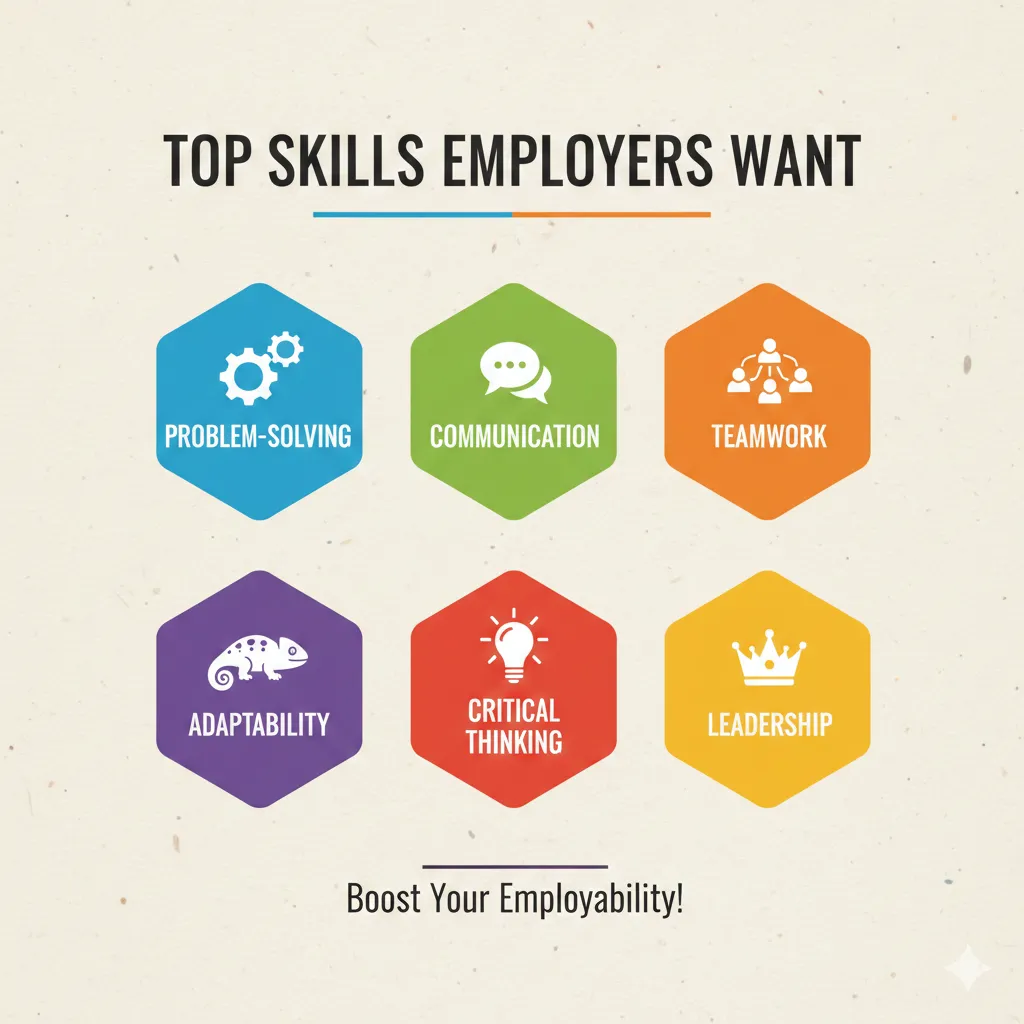
10. Soft Skills and Collaboration
DevOps isn’t just about automation, it’s about collaboration. Highlight your ability to work with cross-functional teams.
Soft Skills to Mention:
- Team collaboration
- Communication
- Problem-solving
- Time management
- Adaptability
Example: "Collaborated with security and development teams to integrate security testing (DevSecOps) into the CI/CD pipeline."
11. Resume Design and Final Touches
Keep the design clean, modern, and easy to read. Stick to professional fonts (Arial, Calibri, Helvetica), use bullet points, and make sure each section is well-structured.
Checklist:
- No grammatical or spelling errors
- Consistent formatting
- Bullet points for easy scanning
- 1-2 pages max
Conclusion: Make Your DevOps Resume Work for You
A powerful DevOps resume does more than list tools and technologies. It tells a story of real-world impact, continuous improvement, and infrastructure mastery. From CI/CD pipelines to cloud optimization and infrastructure automation, every line on your resume should communicate value.
By strategically showcasing your achievements and aligning them with industry expectations, you can turn your resume into a high-impact document that attracts interviews and job offers.
FAQs
Q: What should be included in a DevOps resume?
A strong DevOps resume should include a summary, key skills, tools and technologies, experience with CI/CD pipelines, automation projects, infrastructure management, certifications, and measurable results.
Q: How do I show real-world impact on my DevOps resume?
Use metrics to quantify results. For example, "Reduced deployment time by 60% using Jenkins pipelines" or "Improved uptime from 95% to 99.9% through infrastructure automation."
Q: Should I list every DevOps tool I know in my resume?
No, only mention tools you’ve actually used in real projects. Focus on core technologies like Docker, Kubernetes, AWS, Jenkins, Terraform, and Git that align with the job role.
Q: How can a fresher write a DevOps resume without experience?
Highlight personal or academic projects, open-source contributions, or lab setups using CI/CD, Docker, or AWS. Mention relevant certifications like AWS Certified DevOps Engineer or Docker Certified Associate.
Q: How long should a DevOps resume be?
Keep it 1–2 pages. Focus on relevant achievements and omit older or unrelated experiences. Use bullet points and measurable results for readability.
Q: Should I include certifications on my DevOps resume?
Definitely. Certifications like AWS Certified DevOps Engineer, Azure DevOps Expert, Docker Certified Associate, or Kubernetes CKA add credibility and help you stand out.