Let’s be honest. Job hunting can feel like shouting into a void. You spend hours crafting what you believe is the perfect resume, pour your heart into a cover letter, and hit "submit" with a mix of hope and dread. Then… silence.
It’s not you. It’s the system.
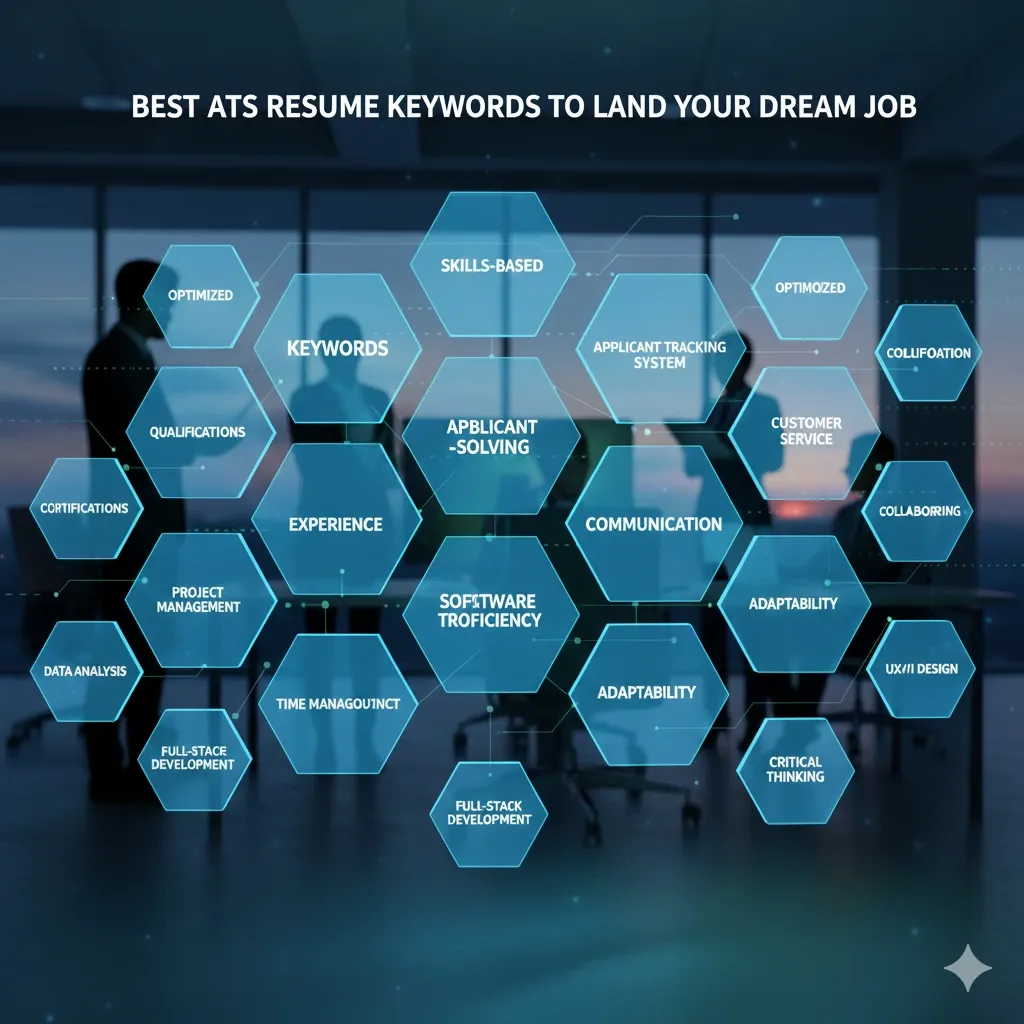
In today’s digital world, your resume often has to pass its first, most critical test before it ever lands on a human’s desk: the Applicant Tracking System (ATS). Think of the ATS as a highly efficient, but notoriously picky, gatekeeper. Its job is to scan hundreds of resumes and only let the most "relevant" ones through.
And how does it determine relevance? Resume Keywords.
But here’s the secret most career advice sites get wrong: stuffing your resume with keywords isn't a magic trick. It’s a strategy. And when done with a human touch, it’s the strategy that will land you your dream job.
Welcome to HireTip’s human-centric guide to mastering resume keywords. We’re not just going to tell you what to do; we’re going to show you how and why it works, so you can confidently bridge the gap between the digital gatekeeper and the hiring manager.
Part 1: The "Why": Your Resume’s First Audience is a Machine
Before we dive into the "how," let's understand the "why." Getting past the ATS isn't about tricking a system; it's about speaking its language.
An ATS is essentially a search engine for recruiters. When a recruiter has an opening for a "Digital Marketing Manager," they don’t read every single application. They plug key terms from the job description into the ATS, and the system ranks the resumes based on how well they match.
If your resume doesn't contain the right keywords, it might be automatically rejected, no matter how qualified you are.
This isn't a reason to be discouraged, it's a reason to be strategic. By understanding this first step, you can ensure your resume gets the human attention it deserves.
Part 2: The Hunter-Gatherer: How to Find the Right Keywords
The single most important source for your resume keywords is the job description itself. It’s the cheat sheet the company has generously provided. Your mission is to analyze it like a detective.
1. Identify the "Hard Skills" (The Non-Negotiables)
Hard skills are the technical, teachable abilities required for the job. They are the easiest for an ATS to identify. Look for:
- Software & Tools:
Google Analytics,Salesforce,Figma,Python,QuickBooks - Methodologies & Frameworks:
Agile Methodology,Scrum,SAFe,Lean Six Sigma - Technical Abilities:
Financial Modeling,SEO/SEM,Data Visualization,Project Management - Certifications & Licenses:
PMP Certification,CPA,Registered Nurse (RN)
Pro Tip from HireTip: Create a two-column list. In the first column, jot down every hard skill mentioned in the job description. In the second, note the equivalent skills you possess. This becomes your keyword map.
2. Pinpoint the "Soft Skills" (The Human Elements)
Soft skills are harder for an ATS to spot, but they are crucial. Recruiters often search for them too. The key is to show them, not just say them.
- Instead of: "I have great communication skills."
- Try: "Communicated project updates to a cross-functional team of 15 engineers and stakeholders, resulting in a 10% faster launch time."
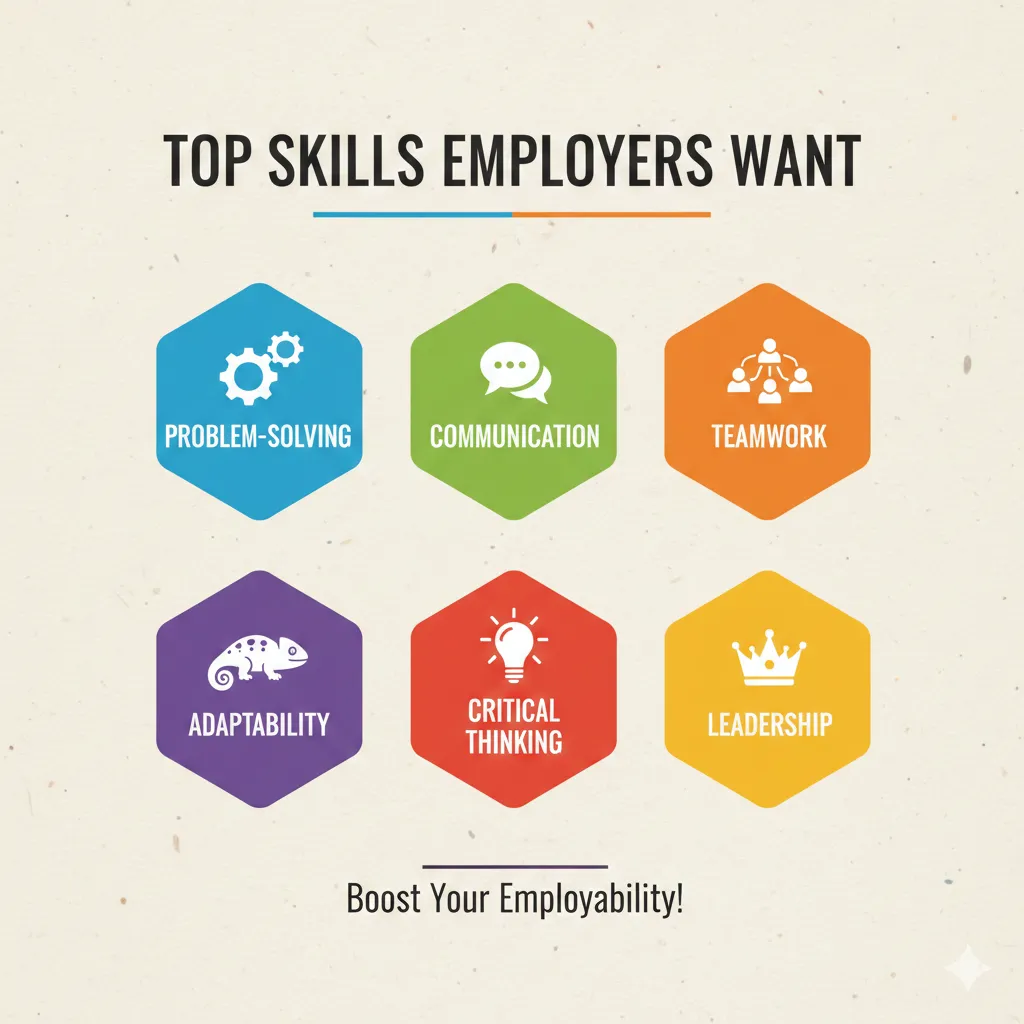
Look for words in the job description like Leadership, Collaboration, Problem-Solving, Adaptability. Then, think of the stories from your career that prove you have these traits.
3. Don't Forget the "Context Keywords"
These are the nouns and phrases that define the role, industry, and scope.
- Job Titles:
Marketing Director,Software Engineer,Graphic Designer - Industry Terms:
B2B SaaS,E-commerce,Non-Profit Management,Clinical Research - Action & Scope:
Budget Management,Team Leadership,Client Acquisition,Process Improvement
Part 3: The Art of Placement: Weaving Keywords Into Your Resume Story
Now that you have your list of target keywords, it’s time to integrate them. This is where the art comes in. You’re not a robot listing ingredients; you’re a storyteller using the right vocabulary.
1. The Professional Summary: Your 15-Second Pitch
This is the first section a recruiter (and the ATS) sees. It must be packed with your most important keywords.
- Weak Summary: "An experienced marketing professional seeking a challenging role in a dynamic company."
- Keyword-Rich, Human Summary: "Results-driven Digital Marketing Manager with 8+ years of experience in the B2B SaaS industry. Expert in SEO/SEM strategy, lead generation, and marketing automation using HubSpot. Proven ability to grow organic traffic by over 200%."
See the difference? The second version immediately tells the ATS and the human reader, "This person is a perfect match."
2. The Core Competencies or Skills Section
This is your keyword "power zone." Use a clean, scannable bulleted list to group your hard skills. This gives the ATS a direct hit.
Example:
- Digital Marketing: SEO/SEM, Google Analytics, Google Ads, Content Strategy, Social Media Marketing
- Project Management: Agile/Scrum, Jira, Asana, Budget Management, Risk Assessment
- Software: Salesforce, HubSpot, Adobe Creative Suite, Microsoft Office Suite
3. The Work Experience: Where Keywords Come to Life
This is the most critical section. Don’t just list your duties; describe your achievements using the keywords you gathered.
Use the STAR Method (Situation, Task, Action, Result) as your framework and inject keywords into the "Action" and "Result."
Weak Bullet Point:
- "Responsible for social media accounts."
Keyword-Optimised, Achievement-Oriented Bullet Point:
- "Developed and executed a social media marketing strategy that increased brand awareness and grew our Instagram following by 50% in 6 months, generating over 500 qualified leads."
By weaving the keyword "social media marketing" into a sentence that shows impact, you satisfy the ATS and impress the hiring manager with a tangible result.
4. Don't Neglect the "Invisible" Sections
- File Name:
John_Smith_Resume_Digital_Marketing_Manager.pdfis far better thanResume2023.pdf. - Formatting: Stick to a clean, simple format. Avoid columns, graphics, and headers/footers that can confuse an ATS. A
.docxor.pdffile is usually safest.
Part 4: The Human Filter: Making Sure Your Resume Connects with a Person
Congratulations! Your resume is now ATS-friendly. But remember, its final destination is a human being. A recruiter can spot a generically keyword-stuffed resume from a mile away. Your final task is to add the human touch.
1. Read It Aloud
Does it sound like a real person is talking? Or does it sound like a robot generated it? If a sentence feels clunky or forced because you’ve shoehorned in a keyword, rewrite it. Clarity and flow are paramount.
2. Tell a Cohesive Story
Your keywords should paint a consistent picture of who you are as a professional. If you're applying for a Creative Director role, your keywords and the language around them should reflect creativity, innovation, and leadership. If it's for a Data Analyst role, the language should be precise, analytical, and results-focused.
3. Quantify Everything
Numbers are a universal language that both humans and ATS systems love. They provide concrete proof of your abilities.
- "Managed a budget" → "Managed a $500K annual budget, coming in 5% under forecast."
- "Improved efficiency" → "Improved operational efficiency by 15% by implementing a new project management workflow."
Part 5: The HireTip Checklist: Your Pre-Submission Scan
Before you send your resume into the world, run it through this final checklist:
- Keyword Mirroring: Have I used the top 5-10 critical keywords from the job description?
- Strategic Placement: Are these keywords in my Summary, Skills section, and multiple bullet points in my Experience section?
- Natural Integration: Do the keywords feel natural within the sentences, or do they stick out awkwardly?
- Human Connection: Does my resume tell a compelling story about my career journey and achievements?
- Quantified Results: Have I used numbers, percentages, and dollar amounts to prove my impact?
- ATS-Friendly Format: Is my resume in a simple, clean format with standard fonts and no graphics in the body?
- Proofread: Have I checked for spelling and grammar errors? (A typo in a key skill can be disastrous).
The Final Word: You Are More Than a Collection of Keywords
Mastering resume keywords is a powerful skill in the modern job market. It’s the key that unlocks the door. But once you’re in the room, you have to be able to have a conversation.
Your keywords are the proof of your skills, but your humanity, your passion, and your unique experiences are what will ultimately land you the job. Use this strategy not to become a robot, but to ensure your brilliant, human self gets the chance to shine.
You've got this.
Ready to take the next step? Explore HireTip for more insider guides, resume templates, and interview tips designed to help you not just find a job, but build a career you love.