Applying for jobs internationally is a highly competitive process that requires not only relevant skills but also a well-crafted resume that aligns with the specific expectations of immigration authorities and employers. For professionals pursuing international job applications, such as the H-1B visa in the United States, PR-ready resumes for Canada or Australia, or even opportunities in Europe and Asia, your resume is more than a record of your professional history; it is a strategic tool that demonstrates eligibility, adaptability, and cultural fit. This comprehensive guide by HireTip explores best practices for creating visa-specific resumes, helping you understand how to present your qualifications in a way that enhances your chances of securing employment across borders.
Why Visa-Specific Resume Guidance Matters
International job applications involve multiple layers of complexity. Beyond showcasing your professional qualifications, your resume must meet the expectations of recruiters, hiring managers, and immigration officers. Each country has unique standards:
- H-1B Resumes (U.S.): Must emphasize specialized skills, technical expertise, and educational credentials.
- PR-Ready Resumes (Canada, Australia): Should highlight adaptability, long-term employability, and alignment with permanent residency requirements.
- EU and UK Job Applications: Require adherence to CV formats and focus on multilingual skills, international experience, and compliance with GDPR.
By customizing your resume for these requirements, you maximize your visibility in international job applications while ensuring compliance with visa processes.
Core Principles for Visa-Specific Resumes
Regardless of the country, some universal principles apply to international job applications:
- Clarity and Concise
Keep the format clean, professional, and free of jargon. Focus on achievements and measurable outcomes. - Keyword Optimization
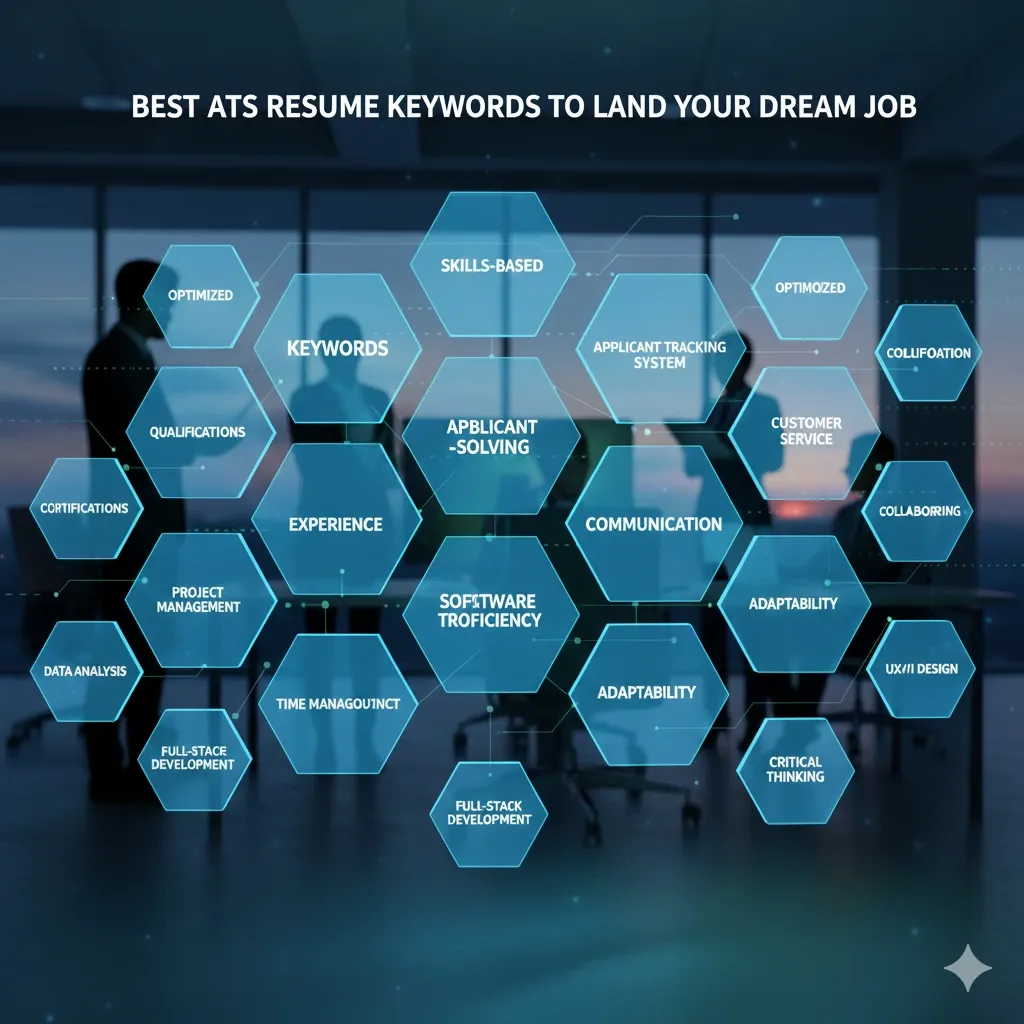
Applicant Tracking Systems (ATS) are widely used in global recruitment. Ensure your resume includes relevant keywords aligned with the job description and visa criteria. - Alignment with Immigration Requirements
Some visas require demonstration of specialized skills or qualifications. Highlight certifications, advanced degrees, or professional memberships. - Focus on Global Competencies
Showcase cross-cultural communication, adaptability, and international experience. Employers want candidates who can thrive in diverse environments.
Crafting an H-1B Visa Resume
The H-1B visa is one of the most sought-after pathways for international professionals to work in the United States. The resume must align with employer expectations and USCIS requirements.
Key Sections to Emphasize:
- Professional Summary: Tailor this to showcase specialized skills in fields such as IT, engineering, healthcare, or finance.
- Education: List degrees, majors, and universities clearly. Accreditation and relevance to the role are critical.
- Work Experience: Use metrics to demonstrate impact. For example: "Developed software module that reduced processing time by 40%, supporting business growth."
- Technical Skills: List specific technologies, tools, and certifications.
- Visa Eligibility Statement (Optional): Include a line such as "Eligible for H-1B sponsorship" to clarify intent.
Formatting Tips:
- Stick to one or two pages.
- Avoid personal details like date of birth, marital status, or photos (not required in U.S. resumes).
- Ensure ATS-compatibility with simple formatting.
Crafting PR-Ready Resumes (Canada and Australia)
Permanent residency applications for Canada and Australia require resumes that demonstrate not just technical expertise, but also adaptability and long-term employability.
Key Sections to Emphasize:
- Career Objective: Highlight your intent for long-term settlement and contribution to the local economy.
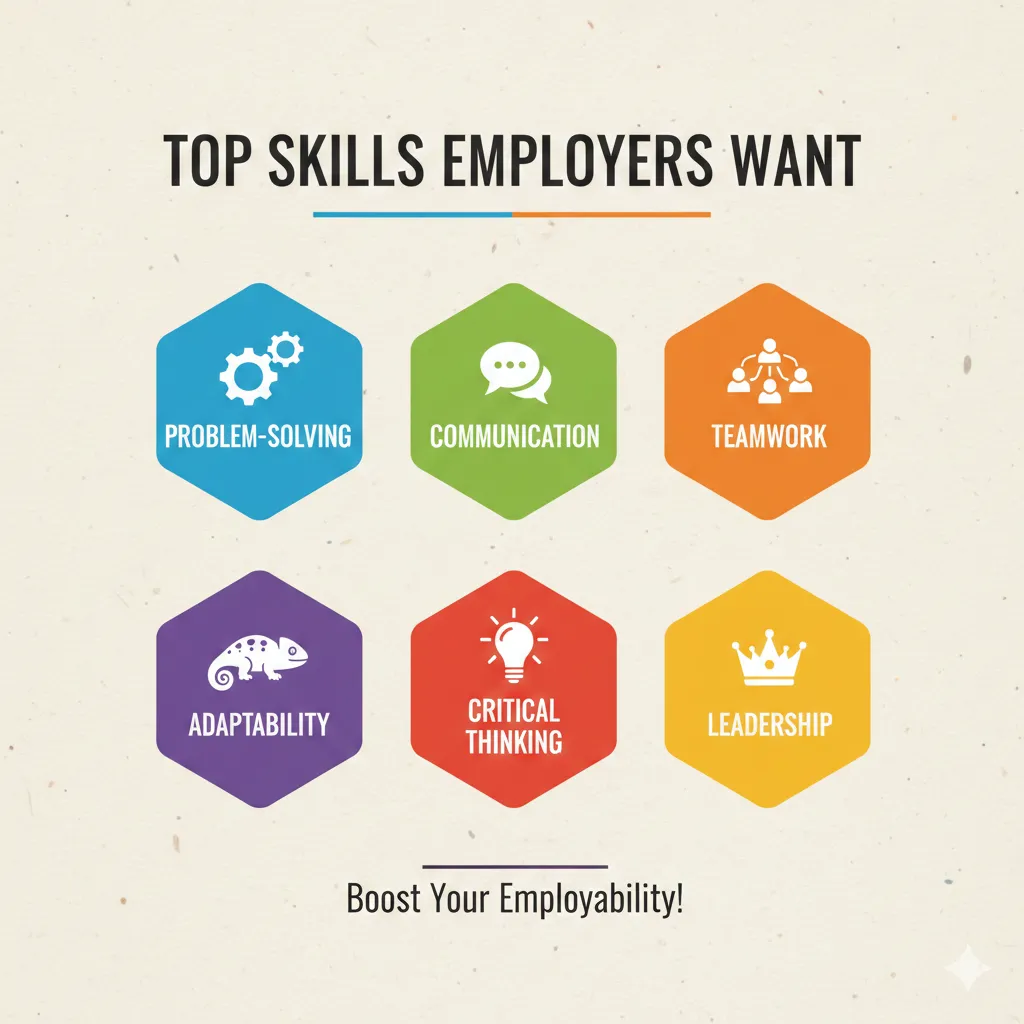
- Skills Section: Balance between technical and soft skills such as communication, leadership, and teamwork.
- Work Experience: Demonstrate consistency, reliability, and achievements in line with the National Occupational Classification (NOC) codes (Canada) or ANZSCO codes (Australia).
- Education and Credentials: Include ECA (Educational Credential Assessment) details if available.
Formatting Tips:
- Use Canadian/Australian spelling (e.g., "organisation" instead of "organization" for Australia).
- Highlight volunteer experience or community engagement to showcase adaptability.
- Focus on transferable skills relevant to multiple industries.
CV Formats for Europe and the UK
European employers often prefer the Europass CV format, which emphasizes clarity and transparency. The UK, while flexible, leans toward detailed CVs that may extend beyond two pages.
Key Sections to Emphasize:
- Personal Information: Name, contact, nationality, and language proficiency.
- Professional Experience: Highlight international assignments and cross-border collaborations.
- Skills Section: Focus on language skills, cultural adaptability, and technical expertise.
- Compliance: Ensure GDPR compliance by avoiding unnecessary personal details.
Formatting Tips:
- Avoid U.S.-style resumes with one-page restrictions.
- Include references if required.
- Use formal, structured language suitable for international job applications.
Showcasing International Job Applications Experience
Recruiters in international markets value candidates who can adapt quickly to new environments. Incorporate the following:
- Global Projects: Highlight any experience working with international clients or multinational teams.
- Cross-Cultural Skills: Mention training or experiences that demonstrate cultural intelligence.
- Mobility and Relocation Readiness: State willingness to relocate, if applicable.
Example: "Led a cross-functional team across India, Germany, and the U.S., delivering a SaaS product ahead of schedule with a 25% increase in adoption rates."
Highlighting Metrics and Frameworks
Employers evaluating international job applications want evidence of success through quantifiable results. Integrate metrics and frameworks throughout your resume:
- Increased revenue by 30% through product strategy alignment.
- Reduced project delivery time by 20% using Agile frameworks.
- Improved customer satisfaction scores by 15% through service redesign.
Common Mistakes in Visa-Specific Resumes
- Using a Generic Resume: Each international job application requires a tailored approach.
- Omitting Keywords: ATS systems will filter out resumes without role-specific terms.
- Cultural Misalignment: Avoid U.S.-style resumes for European applications, and vice versa.
- Excessive Personal In some countries, photos or personal details are inappropriate and may lead to rejection.
Sample Resume Snippet for International Job Applications
Software Engineer | Global Tech Solutions
Jan 2018 – Present
- Designed and deployed a cloud-based application, improving client efficiency by 35%.
- Collaborated with teams in three countries, demonstrating adaptability to global markets.
- Contributed to an Agile transformation project, reducing cycle times by 20%.
Education:
Master of Computer Science, University of Toronto
Bachelor of Technology, NIT India
Certifications:
AWS Certified Solutions Architect
Scrum Master Certification (CSM)
Tailoring Resume Formats by Visa Type
H-1B Resumes: Focus on specialization, technical expertise, and alignment with employer job descriptions.
PR-Ready Resumes: Highlight adaptability, soft skills, and long-term career goals.
European CVs: Use structured formats, emphasize multilingual skills, and showcase compliance.
Advanced Tips for International Job Applications
- Leverage LinkedIn Profiles: Ensure consistency between your resume and online profiles.
- Customize Cover Letters: Mention visa intent and relocation readiness.
- Add a Global Skills Section: Emphasize languages, certifications, and cross-cultural experiences.
- Proofread for Local Language Norms: Adapt spelling and terminology to the target country.
- Seek Professional Resume Reviews: International job applications benefit from external feedback.
Conclusion
Creating a visa-specific resume for international job applications requires precision, cultural awareness, and adaptability. Whether you are pursuing an H-1B visa in the U.S., preparing a PR-ready resume for Canada or Australia, or applying to roles in Europe and the UK, tailoring your resume to meet these unique requirements is key. By emphasizing technical expertise, cross-cultural competencies, and measurable results, you can stand out in the global job market.
For more details, visit HireTip Career Tips to access expert resources and guidance tailored for international professionals.