In today’s hyper-competitive, data-driven economy, organizations are increasingly relying on decision scientists to bridge the gap between complex data and actionable business insights. A well-crafted resume is essential for aspiring decision scientists to stand out from the crowd, especially in a field where analytical ability, business acumen, and communication skills must co-exist. This comprehensive guide will walk you through resume writing tips tailored specifically for aspiring decision scientists, helping you craft a resume that emphasizes your ability to make data-driven business decisions.
Why Your Resume Matters as a Decision Scientist
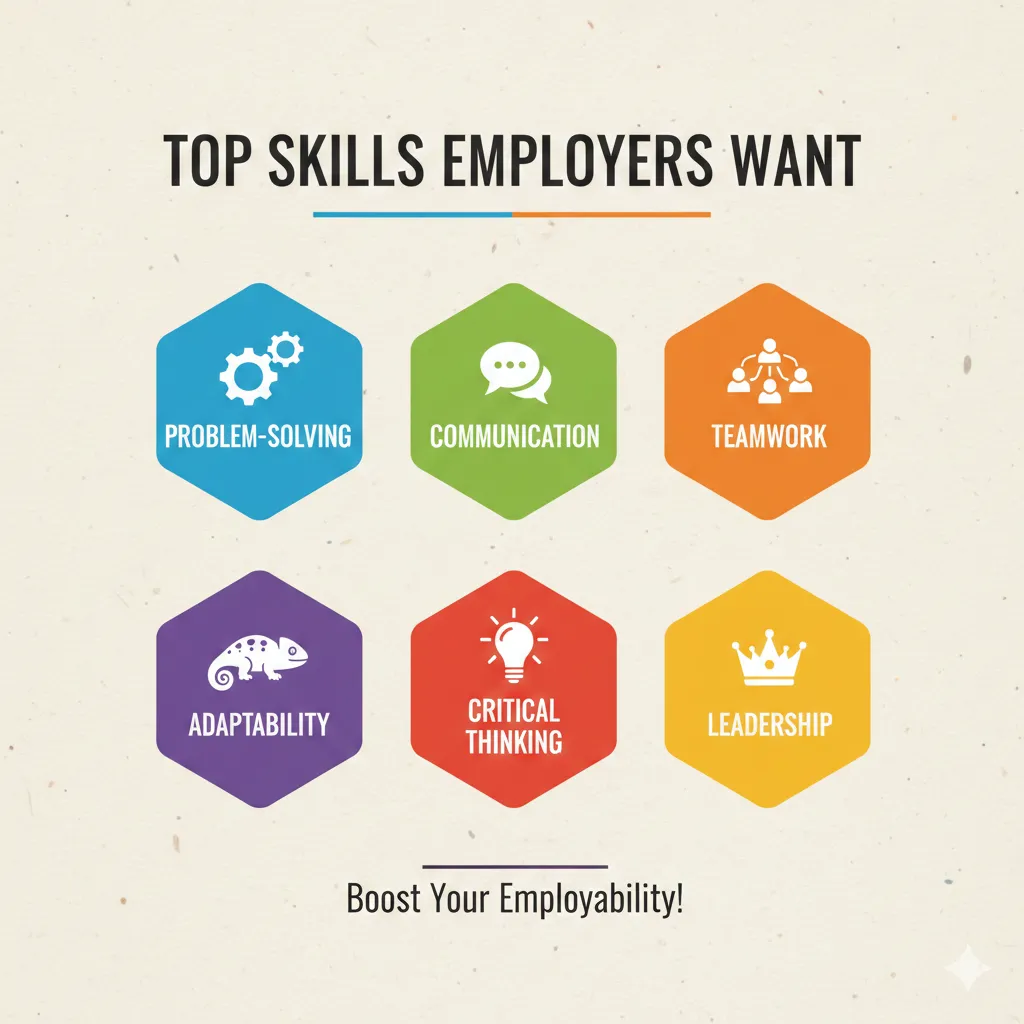
As a decision scientist, your resume must not only showcase your technical expertise in statistics, machine learning, and data analytics but also highlight your capacity to drive business value through actionable insights. Recruiters and hiring managers are looking for candidates who can:
- Solve business problems using data.
- Translate complex datasets into strategic recommendations.
- Communicate findings effectively to non-technical stakeholders.
- Drive data-driven business decisions that lead to measurable outcomes.
Therefore, your resume should reflect a blend of technical mastery and strategic thinking.
1. Start With a Strong Professional Summary
The top third of your resume is prime real estate. Use a powerful summary that captures who you are, what you bring, and what you're looking for.
Example: "Data-driven Decision Scientist with 3+ years of experience leveraging machine learning, A/B testing, and statistical modeling to influence strategic business decisions. Proven ability to translate raw data into compelling narratives that drive revenue growth and operational efficiency. Seeking to contribute my analytical expertise and business insight to a forward-thinking data science team."
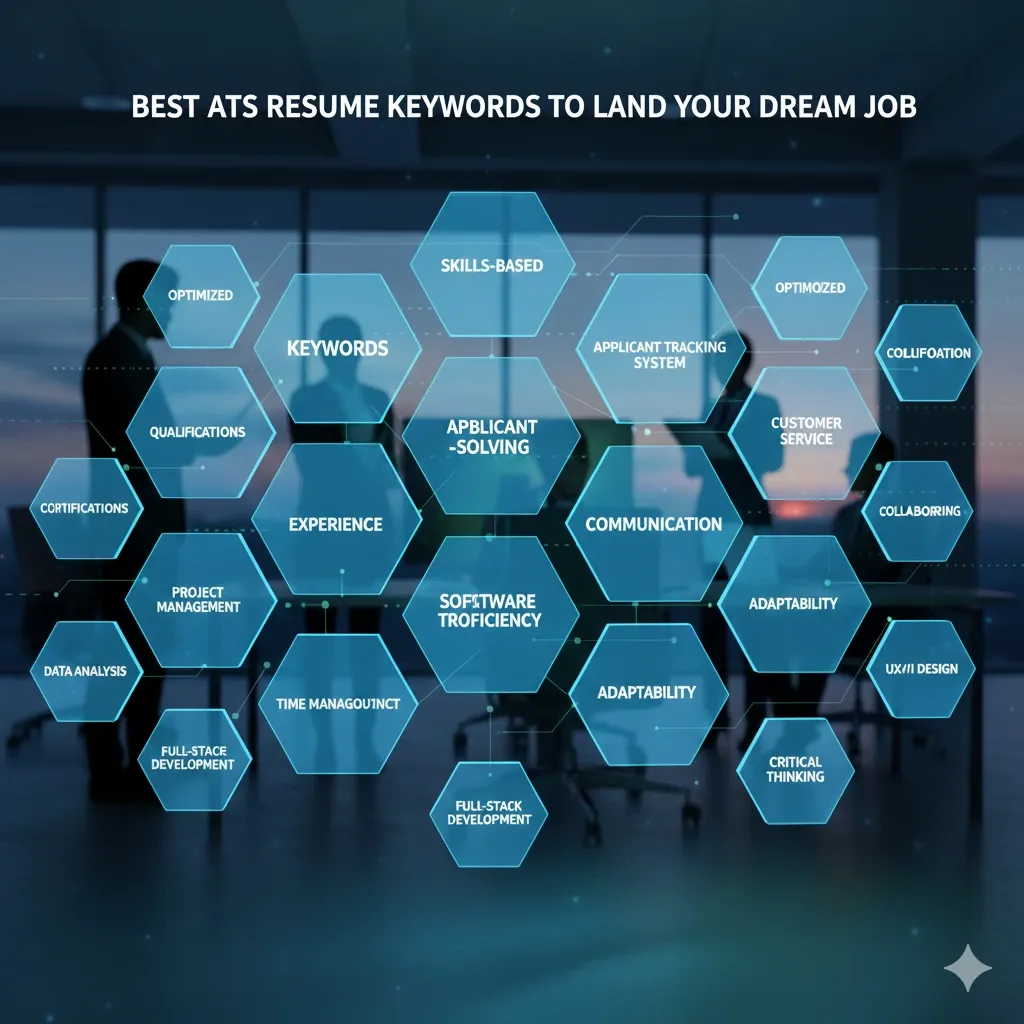
Keywords to Include: decision scientist, data-driven, business decisions, machine learning, analytics, insights, business value.
2. Tailor Your Resume to the Job Description
Use the job description as a blueprint for your resume. Highlight skills and achievements that align closely with the employer's needs. Use exact phrases from the job posting, especially those emphasizing data-driven decision-making.
Tip: Use tools like Jobscan to assess how well your resume matches a job description.
Keywords to Include: predictive modeling, data visualization, business strategy, stakeholder communication, actionable insights, data analysis.
3. Emphasize Data-Driven Business Decisions in Experience Section
Your work experience should not be a list of responsibilities; it should tell a story of how your actions led to meaningful results. Use bullet points to highlight accomplishments, not duties.
Examples:
- "Developed a churn prediction model that led to a 25% reduction in customer attrition by informing targeted retention strategies."
- "Led A/B testing initiatives that optimized landing page conversions by 18%, driving a measurable increase in revenue."
- "Collaborated with cross-functional teams to integrate predictive analytics into supply chain operations, reducing costs by 12%."
Keywords to Include: A/B testing, customer retention, predictive analytics, optimization, measurable results, data-driven strategy.
4. Highlight Tools, Technologies, and Frameworks
Decision scientists must demonstrate proficiency in industry-standard tools. Dedicate a section to your technical toolkit.
Example Skills Section:
- Programming: Python, R, SQL
- Data Visualization: Tableau, Power BI, matplotlib, Seaborn
- Machine Learning: Scikit-learn, TensorFlow, XGBoost
- Big Hadoop, Spark, AWS
- Statistical Analysis: Hypothesis testing, regression, time series
Keywords to Include: data science tools, Python, R, SQL, data engineering, machine learning frameworks.
5. Quantify Your Achievements
Use metrics wherever possible. Numbers speak louder than words, especially in data-driven roles.
Examples:
- "Increased marketing ROI by 32% by implementing a data segmentation strategy based on customer behavior analytics."
- "Reduced delivery delays by 20% through predictive logistics modeling."
Keywords to Include: ROI, KPIs, metrics, performance improvement, analytics-driven outcomes.
6. Include Relevant Projects and Case Studies
If you’re transitioning into the role or have limited formal experience, a “Projects” section is vital. Focus on projects that illustrate your ability to drive business decisions with data.
Example Project: Title: Sales Forecasting Model Description: Built a time-series forecasting model to predict monthly sales across regions, which enabled the finance team to allocate budgets more accurately and improve forecasting accuracy by 22%.
Keywords to Include: forecasting, business intelligence, case study, time-series, financial planning.
7. Showcase Communication and Collaboration Skills
Decision scientists work with stakeholders across departments. Highlight your ability to explain technical findings to non-technical audiences.
Examples:
- "Created interactive dashboards for senior leadership, enabling real-time tracking of KPIs and sales trends."
- "Presented quarterly data insights to executive leadership, influencing budgeting decisions and resource allocation."
Keywords to Include: stakeholder engagement, data storytelling, dashboard, business communication, cross-functional teams.
8. Certifications and Continuous Learning
The field of decision science evolves rapidly. Highlighting your commitment to learning shows you stay updated with current trends.
Examples of Certifications:
- Google Data Analytics Certificate
- Microsoft Certified: Data Analyst Associate
- Coursera: Data-Driven Decision-Making Specialization
- AWS Certified Data Analytics
Keywords to Include: certifications, online learning, professional development, data science training, upskilling.
9. ATS Optimization and Clean Formatting
Most companies use Applicant Tracking Systems to filter resumes. Ensure your formatting is clean, with clear section headers and no complex graphics.
Tips:
- Use standard fonts like Arial or Calibri.
- Save your resume as a .docx or .pdf file.
- Avoid tables and columns that may confuse ATS.
Keywords to Include: ATS-friendly, resume formatting, keyword matching, clean layout.
10. Add a Personal Branding Statement or Tagline
This can be a short, one-line descriptor under your name or in the header that reinforces your value.
Examples:
- "Driving Business Strategy Through Data Science"
- "Transforming Data into Strategic Business Value"
Keywords to Include: personal branding, business impact, data-driven thinker, strategic analyst.
Common Mistakes to Avoid
- Listing duties instead of results: Focus on outcomes, not just tasks.
- Generic summaries: Make your summary job specific.
- Ignoring business value: Always tie your work back to a business objective or result.
- Overloading with jargon: Avoid overly technical language when describing impact.
For more details, refer to HireTip https://hiretip.co for more tips.
Conclusion: Crafting a Resume That Showcases Data-Driven Business Impact
In summary, an effective resume for an aspiring decision scientist goes beyond listing tools and technologies. It demonstrates how you use those tools to make informed, data-driven business decisions. By showcasing your technical skills, business acumen, and communication ability, backed by metrics and tailored for each role, you’ll position yourself as a valuable asset in any data-driven organization.