In today’s competitive job market, crafting the perfect resume is no longer optional, it’s essential. For professionals in education technology (EdTech), particularly Instructional Designers, standing out requires more than listing teaching experiences or generic skills. Instead, it demands a strategic focus on measurable outcomes, technical expertise, and mastery of instructional design tools that drive learner engagement and knowledge retention.
This comprehensive guide explores resume examples for instructional designers in EdTech, complete with actionable strategies, project highlights, and best practices. Whether you’re new to the field or a seasoned professional, this article will help you showcase your impact effectively.
Why Instructional Designer Resumes in EdTech Are Unique
Instructional design resumes differ from other education or technology resumes because they must balance pedagogical skills with technical proficiency. Employers look for candidates who can design, implement, and evaluate digital learning systems while staying aligned with industry standards such as ADDIE, Bloom’s Taxonomy, or Agile learning models.
Key resume elements include:
- Expertise in instructional design tools such as Articulate Storyline, Adobe Captivate, Camtasia, and Vyond.
- Ability to use learning management systems (LMS) like Moodle, Blackboard, and Canvas.
- Strong background in assessment methods, curriculum development, and evaluation frameworks.
- Technical awareness of SCORM/xAPI compliance, responsive design, and multimedia learning assets.
- Evidence of measurable project outcomes (e.g., reduced training time, improved learner completion rates, or higher engagement scores).
Structuring Your Instructional Designer Resume
A great EdTech resume is more than just a format—it’s about telling your story in a clear, results-driven way.
1. Resume Header
Keep it professional with your name, LinkedIn profile, portfolio link (essential for EdTech professionals), and contact information.
Example:
Jane Doe Instructional Designer | eLearning Specialist | EdTech Innovator Email: [email protected] | LinkedIn: linkedin.com/in/janedoe | Portfolio: janedoedesigns.com
2. Resume Summary
Your summary should highlight years of experience, industries served, and instructional design tools mastered.
Example:
"Creative Instructional Designer with 6+ years of experience developing engaging digital learning programs for higher education and corporate training. Proficient in Storyline 360, Camtasia, and Adobe Captivate with a proven record of improving learner satisfaction scores by 35%."
3. Skills Section
Categorize skills into technical and soft skills to increase ATS (Applicant Tracking System) visibility.
Technical Skills
- Instructional design tools: Articulate Storyline, Adobe Captivate, Vyond
- Learning Management Systems (LMS): Moodle, Blackboard, Canvas
- Multimedia: Camtasia, Photoshop, Premiere Pro
- Standards: SCORM, xAPI, AICC
Soft Skills
- Stakeholder management
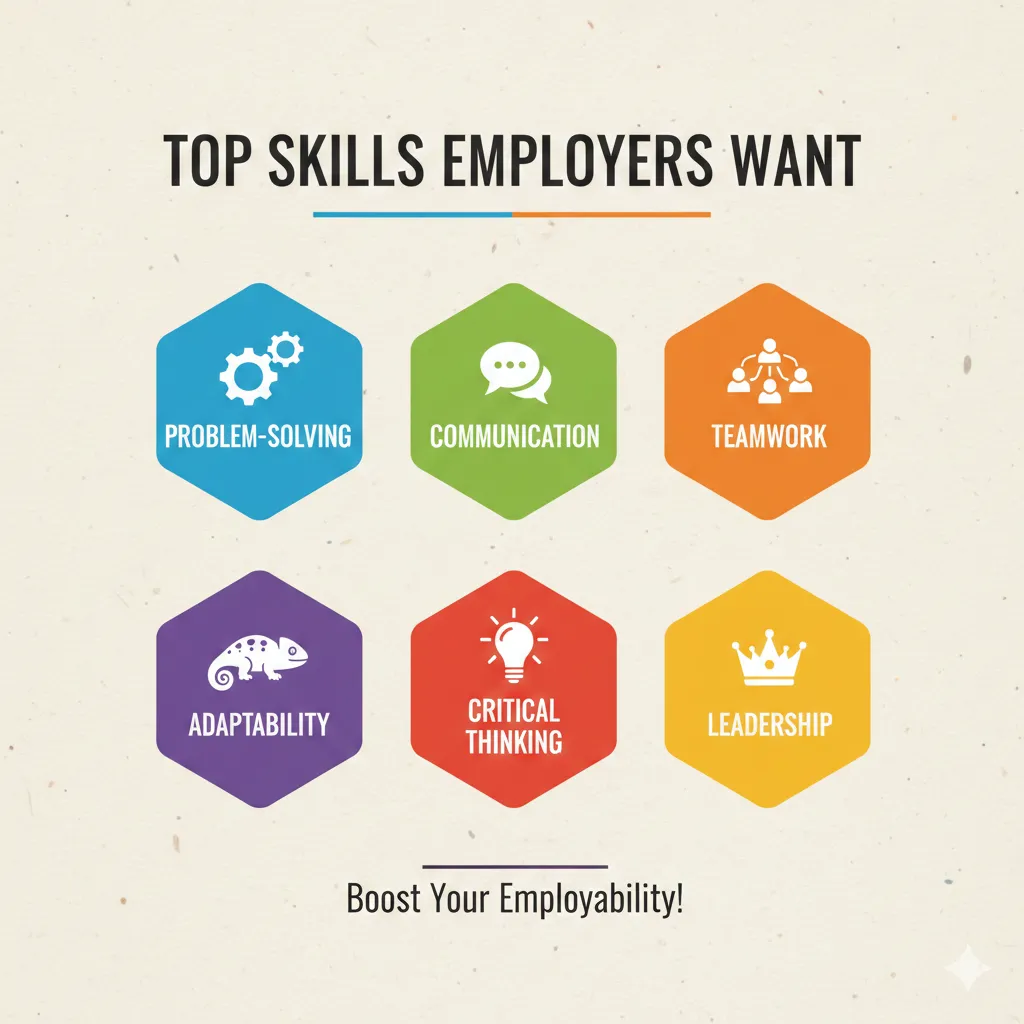
- Communication
- Agile project management
- Problem-solving
4. Professional Experience
List roles in reverse chronological order, focusing on outcomes rather than responsibilities.
Example:
Instructional Designer | ABC Learning Solutions | 2019–Present
- Designed and launched 40+ eLearning modules using instructional design tools such as Articulate Storyline and Adobe Captivate.
- Increased learner completion rates by 45% through gamified learning strategies.
- Reduced onboarding time for employees by 30% by implementing blended learning models.
5. Education and Certifications
Highlight degrees and certifications that emphasize your instructional design expertise.
- M.Ed. in Instructional Design & Technology – University of XYZ
- Certified Professional in Talent Development (CPTD)
- Articulate Storyline Advanced Certification
Resume Examples for Different Career Stages
Entry-Level Instructional Designer Resume Example
Summary
"Motivated Instructional Designer with strong academic background in educational technology and hands-on experience creating interactive eLearning projects during graduate studies. Skilled in Articulate Storyline, Camtasia, and Canva."
Highlights
- Created a digital course for university students using Moodle and Articulate Storyline.
- Designed microlearning assets with Canva and Camtasia, resulting in improved learner engagement scores during pilot testing.
Mid-Level Instructional Designer Resume Example
Summary
"Results-driven Instructional Designer with 5 years of experience in corporate EdTech. Adept at integrating instructional design tools like Adobe Captivate and Camtasia into large-scale training programs. Proven ability to measure success through detailed project metrics."
Highlights
- Delivered blended learning modules for a Fortune 500 company, reducing compliance training time by 20%.
- Collaborated with SMEs to produce scenario-based eLearning, improving learner knowledge retention by 30%.
- Managed LMS administration and content delivery across multiple regions.
Senior Instructional Designer Resume Example
Summary
"Innovative Senior Instructional Designer with 10+ years of expertise in EdTech, specializing in eLearning strategy, project leadership, and implementation of instructional design frameworks. Skilled in Agile development, ADDIE, and design thinking methodologies."
Highlights
- Directed a global eLearning initiative using instructional design tools like Storyline and Captivate, impacting 50,000+ learners.
- Led a team of instructional designers and multimedia specialists to develop an award-winning gamified training platform.
- Integrated adaptive learning technologies into LMS, increasing personalization and learner satisfaction scores by 40%.
Tailoring Your Resume for EdTech Roles
Emphasize Tools and Frameworks
Recruiters in EdTech specifically search for proficiency in instructional design tools and frameworks. Ensure you mention:
- ADDIE, SAM, or Agile design methodologies.
- Tools like Articulate 360, Adobe Captivate, Camtasia.
- Data-driven project metrics (learner satisfaction, time reduction, knowledge retention rates).
Showcase Measurable Results
Employers prefer impact statements over generic tasks. Use quantifiable metrics such as:
- “Developed 15+ online courses that increased learner satisfaction rates by 35%.”
- “Reduced new hire training time by 40% using microlearning and adaptive learning modules.”
Portfolio Integration
Include a portfolio link with examples of course designs, interactive modules, or videos. This demonstrates real-world skills beyond your resume.
Keywords for Instructional Designer Resumes in EdTech
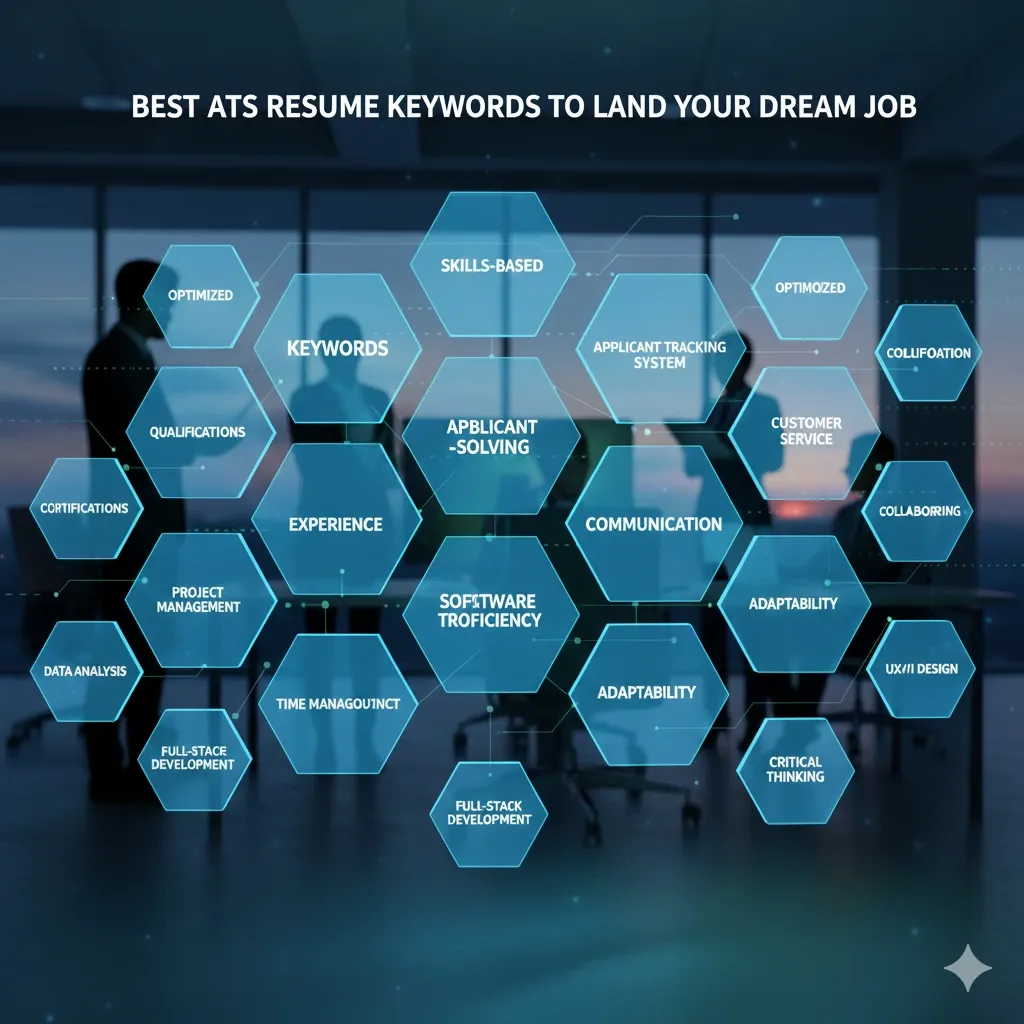
For ATS optimization, integrate keywords like:
- Instructional design tools
- Articulate Storyline
- Adobe Captivate
- eLearning development
- SCORM/xAPI compliance
- Learning management systems
- Curriculum design
- Instructional strategies
- Gamification
- Digital learning
These keywords should be placed naturally in the summary, skills, and work experience sections.
Common Mistakes to Avoid
- Listing Tools Without Examples – Don’t just say you know Articulate Storyline. Show how you applied it.
- Ignoring ATS Optimization – Without keywords like “instructional design tools” and “LMS,” your resume may not pass initial screenings.
- Being Too Generic – Customize for each job. EdTech companies look for alignment with their specific training needs.
- Neglecting Soft Skills – Collaboration, communication, and stakeholder engagement are just as vital as technical proficiency.
Advanced Tips for Instructional Designer Resumes
- Highlight EdTech Trends – Mention experience with AI-based adaptive learning, gamification, or VR learning environments.
- Show Leadership – If you’ve mentored junior designers or led projects, showcase that.
- Include Awards/Recognition – Highlight awards like Brandon Hall or industry certifications.
- Keep It Concise – A 2-page resume is enough, supported by an online portfolio for detailed project displays.
Conclusion
An Instructional Designer resume in EdTech is not just about listing job duties, it’s about demonstrating impact, tools mastery, and the ability to innovate in digital learning spaces. By tailoring your resume to highlight instructional design tools, project outcomes, and portfolio examples, you significantly improve your chances of standing out in the competitive EdTech market.
Remember to quantify results, align your resume with industry-specific keywords, and integrate a strong personal brand through portfolios and summaries. Whether you are an entry-level candidate or a senior professional, your resume should tell a story of innovation, measurable success, and growth in the field of instructional design.
For more details, go to HireTip for career tips and guidance.