In today’s digitally connected world, companies of all sizes are migrating their infrastructure to the cloud, and they need qualified professionals to help them get there. If you’re looking to land a role as a Cloud Engineer, your resume needs to clearly showcase not just your experience, but also the right cloud engineering skills and keywords to pass through Applicant Tracking Systems (ATS) and grab the attention of recruiters.
Whether you're skilled in AWS, Google Cloud Platform (GCP), Microsoft Azure, or all three, this guide will help you craft a Cloud Engineer resume that demonstrates technical expertise, business impact, and future-readiness.
Let’s dive into the top keywords and skills you should include in your cloud engineer resume, and how to present them for maximum impact.
Why Keywords Matter in a Cloud Engineer Resume
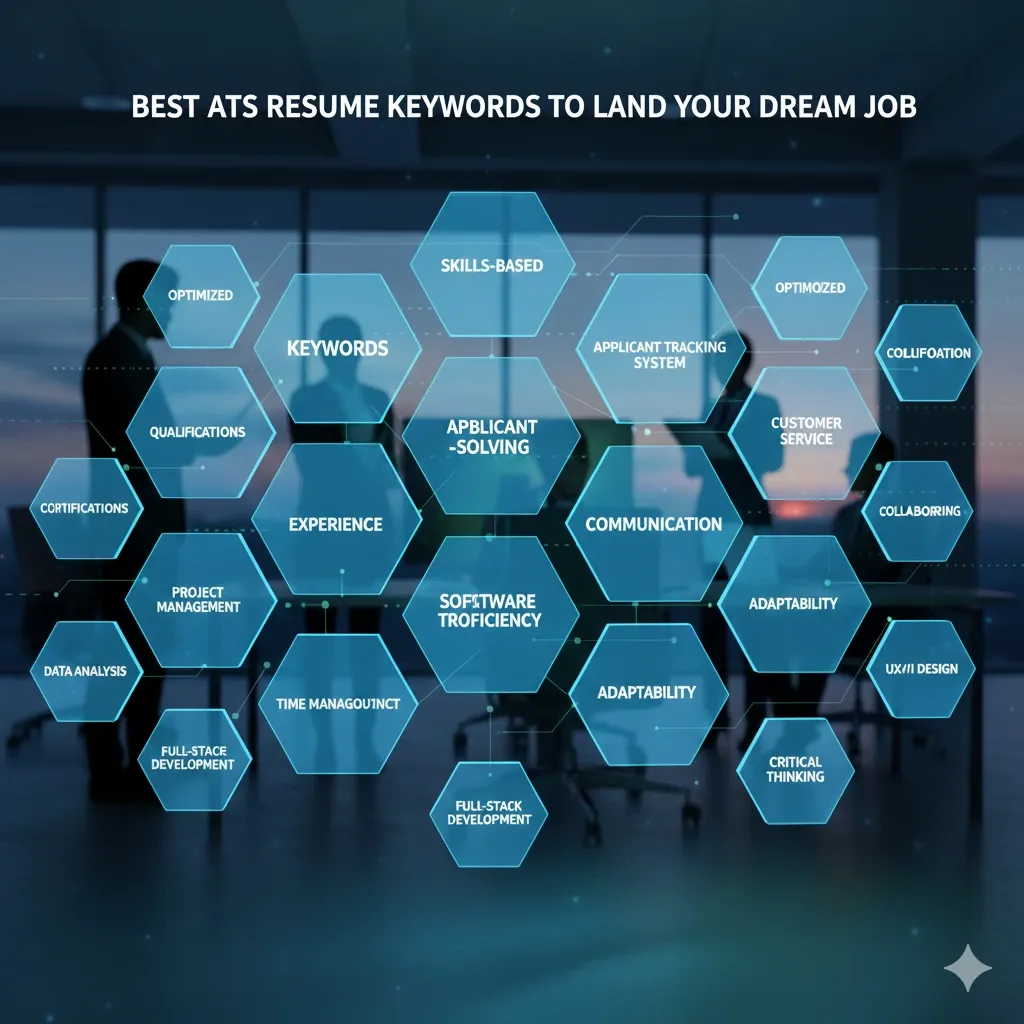
Before a human ever reads your resume, it's likely scanned by an ATS for specific keywords, terms that match the job description. These keywords often reflect the tools, technologies, and methodologies most relevant to the position.
If your resume doesn’t include these cloud engineering keywords, it might never reach the hands of a hiring manager. This makes keyword optimization crucial, not only to pass the ATS filter but also to show alignment with the role.
Cloud engineer keywords can include certifications (e.g., AWS Certified Solutions Architect), skills (e.g., Terraform, Kubernetes), and job titles (e.g., DevOps Engineer, Site Reliability Engineer).
Top Cloud Engineer Skills and Keywords to Include
Let’s break down the most critical keywords into categories to make your resume more strategic and targeted:
1. Cloud Platforms
One of the first things recruiters look for is platform expertise. Your resume should clearly mention your experience with:
- AWS (Amazon Web Services)
- AWS Lambda
- EC2
- S3
- CloudFormation
- IAM
- AWS CLI
- AWS CodePipeline
- Google Cloud Platform (GCP)
- Google Compute Engine
- Google Kubernetes Engine (GKE)
- Cloud Functions
- Stackdriver
- BigQuery
- Cloud Spanner
- Microsoft Azure
- Azure Virtual Machines
- Azure Functions
- Azure DevOps
- Azure Blob Storage
- Azure Active Directory
- Azure Resource Manager
Pro Tip: Tailor your resume based on the job description. If the company is Azure-heavy, emphasize Azure tools and projects.
2. Infrastructure as Code (IaC)
IaC has become the standard for managing cloud infrastructure. Highlight your experience with:
- Terraform
- AWS CloudFormation
- Pulumi
- Ansible
- Chef/Puppet
Example:
"Provisioned and managed multi-region AWS infrastructure using Terraform and CloudFormation."
3. Containerization & Orchestration
Almost all modern cloud applications use containerized architecture. Important keywords include:
- Docker
- Kubernetes (K8s)
- Helm
- ECS (Elastic Container Service)
- EKS (Elastic Kubernetes Service)
- GKE (Google Kubernetes Engine)
Example:
"Deployed microservices-based architecture using Docker containers orchestrated through Kubernetes on AWS EKS."
4. DevOps & CI/CD Tools
DevOps practices are tightly integrated with cloud engineering. Your resume should feature tools like:
- Jenkins
- GitLab CI/CD
- AWS CodePipeline
- CircleCI
- Azure DevOps Pipelines
- Argo CD
Example:
"Built CI/CD pipelines using Jenkins and GitLab to automate deployments for a serverless architecture on AWS Lambda."
5. Monitoring & Logging
Demonstrating your ability to ensure system health and performance monitoring is essential. Key tools include:
- Prometheus
- Grafana
- Datadog
- ELK Stack (Elasticsearch, Logstash, Kibana)
- AWS CloudWatch
- Google Cloud Operations (formerly Stackdriver)
6. Scripting & Programming
Cloud engineers often need to write automation scripts and manage cloud SDKs. Include programming languages like:
- Python
- Bash/Shell
- Go
- Java
- PowerShell (for Azure)
7. Networking & Security
Cloud roles require understanding of cloud networking and security best practices. Add skills such as:
- VPC (Virtual Private Cloud)
- VPN
- Subnetting
- IAM (Identity and Access Management)
- Security Groups
- Firewalls
- TLS/SSL encryption
- KMS (Key Management Services)
8. Cloud Cost Optimization & Governance
A growing number of roles require understanding cloud cost management:
- AWS Cost Explorer
- Azure Cost Management
- GCP Pricing Calculator
- Budget Alerts
- Resource Tagging
- Right-sizing Resources
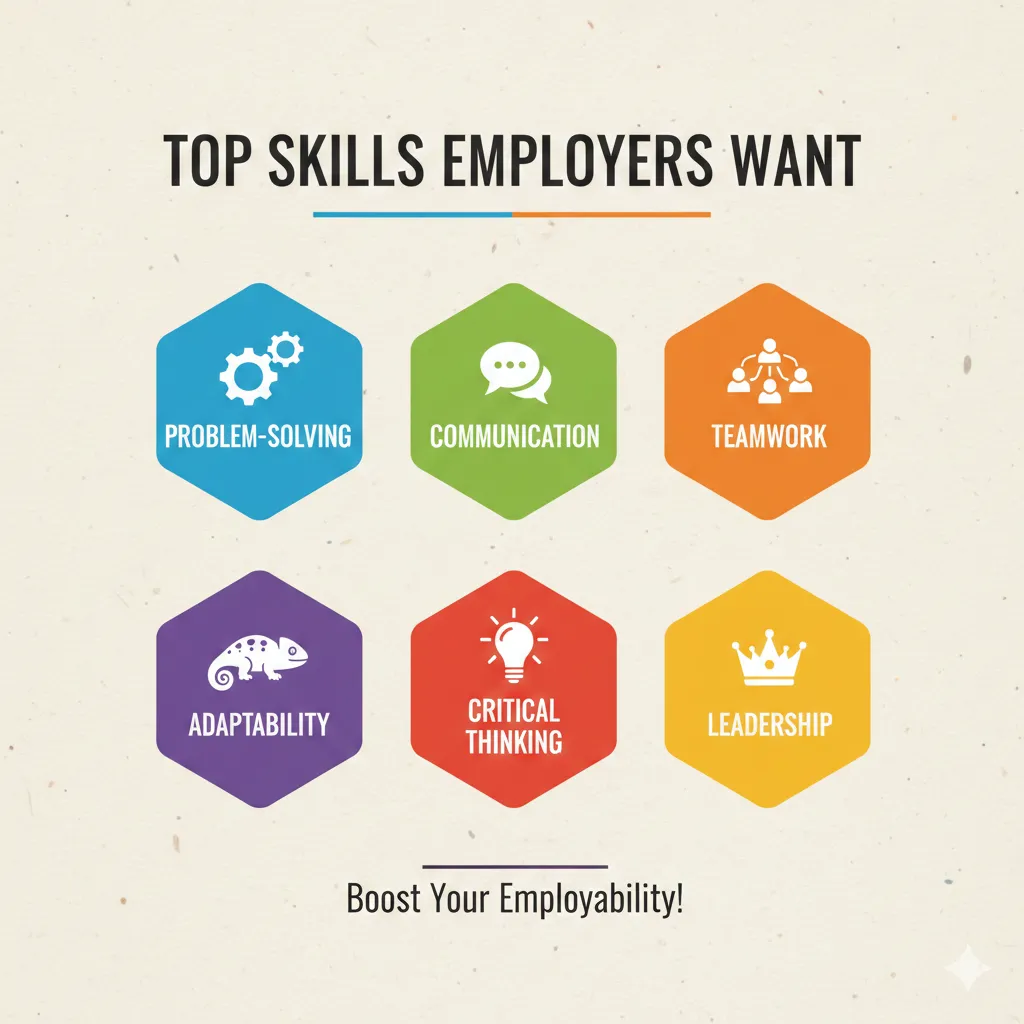
9. Soft Skills for Cloud Engineers
Don’t overlook soft skills that highlight your ability to work in cross-functional teams:
- Communication
- Collaboration
- Problem-Solving
- Adaptability
- Project Management
- Documentation
How to Format These Keywords Effectively
It’s not enough to list keywords, you need to embed them meaningfully in your resume.
1. Resume Summary
Start with a strong summary highlighting your core strengths and cloud platforms:
Example:
"Certified AWS Solutions Architect with 5+ years of experience designing scalable, secure, and cost-efficient cloud infrastructure. Skilled in Terraform, Docker, and Kubernetes with deep expertise in CI/CD pipelines and cloud-native monitoring."
2. Core Skills Section
Create a “Skills” section that lists tools, platforms, and certifications in logical groupings:
Example:
Cloud Platforms: AWS, GCP, Azure
IaC Tools: Terraform, CloudFormation, Pulumi
Containers & Orchestration: Docker, Kubernetes, Helm
DevOps Tools: Jenkins, GitLab CI/CD, CircleCI
Monitoring: Prometheus, Grafana, CloudWatch
Languages: Python, Bash, Go
3. Certifications Section
Certifications provide third-party validation of your expertise. Include:
- AWS Certified Solutions Architect – Associate
- Google Associate Cloud Engineer
- Microsoft Certified: Azure Administrator Associate
- Certified Kubernetes Administrator (CKA)
Pro Tip: If you’re currently pursuing a certification, mention it as "In Progress".
4. Professional Experience Section
This is where keywords truly come alive. Use action verbs, quantifiable results, and context to frame your experience.
Bad example:
"Worked with AWS infrastructure."
Good example:
"Engineered and maintained highly available AWS environments using EC2, VPCs, and IAM policies, reducing downtime by 35%."
Another example:
"Designed end-to-end CI/CD pipelines using Jenkins and Terraform, deploying microservices to GCP with Kubernetes (GKE) and reducing release times by 40%."
5. Projects Section (Optional but Powerful)
Projects are perfect for highlighting hands-on use of cloud platforms and tools.
Example Project Entry:
Cloud Migration for FinTech Application
- Migrated legacy monolithic application to AWS, leveraging ECS, RDS, and S3.
- Automated infrastructure deployment with Terraform and CI/CD with GitLab.
- Improved system scalability and reduced hosting cost by 25%.
Common Mistakes to Avoid in a Cloud Engineer Resume
- Keyword Stuffing
Using keywords repetitively without context makes your resume robotic. Use them naturally within relevant content. - Lack of Metrics
Avoid vague terms like “improved cloud setup.” Use metrics: “Improved cloud setup efficiency by 20% through infrastructure automation.” - Generic Resume for Every Job
Tailor each resume to the job posting. Customize your skills, tools, and projects to mirror the company’s stack. - Not Including Certifications
Certifications carry weight, especially in a field where employers need proof of cloud expertise.
Example Cloud Engineer Resume Summary Using Keywords
Cloud Engineer | AWS | GCP | Azure | DevOps | IaC | Docker | Kubernetes
Proactive and solutions-driven Cloud Engineer with 6+ years of experience across AWS, GCP, and Azure environments. Adept at designing scalable cloud architectures using Terraform and CloudFormation. Proven track record of automating CI/CD pipelines with Jenkins and GitLab CI, and containerizing workloads using Docker and Kubernetes. Certified AWS Solutions Architect and Azure Administrator with strong skills in monitoring (Datadog, CloudWatch) and scripting (Python, Bash). Successfully led cloud migration projects reducing infrastructure cost by 30% and deployment times by 45%.
Advanced Tips for Cloud Engineer Resume Success
1. Showcase Cross-Cloud Expertise
Many organizations are embracing multi-cloud strategies. Highlight experience working across AWS, Azure, and GCP, even if only in personal or freelance projects.
2. Highlight Remote Work Skills
Cloud engineers often work in distributed teams. Mention tools like:
- Slack
- Jira
- Confluence
- Zoom
- Microsoft Teams
3. Link to GitHub or Portfolio
Include a link to your GitHub, DevOps blog, or portfolio showcasing real-world projects, infrastructure-as-code scripts, or CI/CD pipelines.
4. Keep It Updated
New tools and features are constantly emerging in cloud computing. Update your resume every 3–6 months to reflect new skills or certifications.
Final Thoughts: Make Your Cloud Engineer Resume Cloud-Ready
In a saturated job market, a resume that aligns with the right cloud engineering skills and keywords can make all the difference. Whether you specialize in AWS, Azure, or GCP, your resume should tell a story of hands-on expertise, problem-solving, and business impact.
Use this guide to craft a powerful, keyword-optimized cloud engineer resume that grabs attention from recruiters and passes ATS scans.
And remember: It's not just about what tools you use, it's about how you use them to deliver results.
👉 For more details, tips, and resume-building resources, visit HireTip for career tips.